Mechanical seals are essential components in industrial equipment where preventing fluid leakage and maintaining process efficiency are critical. Industries such as pharmaceuticals, API manufacturing, chemical processing, petrochemicals, and research laboratories rely on high-quality mechanical seals to ensure safe, reliable, and contamination-free operations.
Choosing the right mechanical seal manufacturers is just as important as selecting the right seal itself. A well-designed mechanical seal reduces maintenance costs, extends equipment life, improves operational efficiency, and minimizes downtime.
In this guide, you'll learn what a mechanical seal is, how it works, its applications, benefits, and the key factors to consider when selecting a reliable mechanical seal supplier for your industrial requirements.
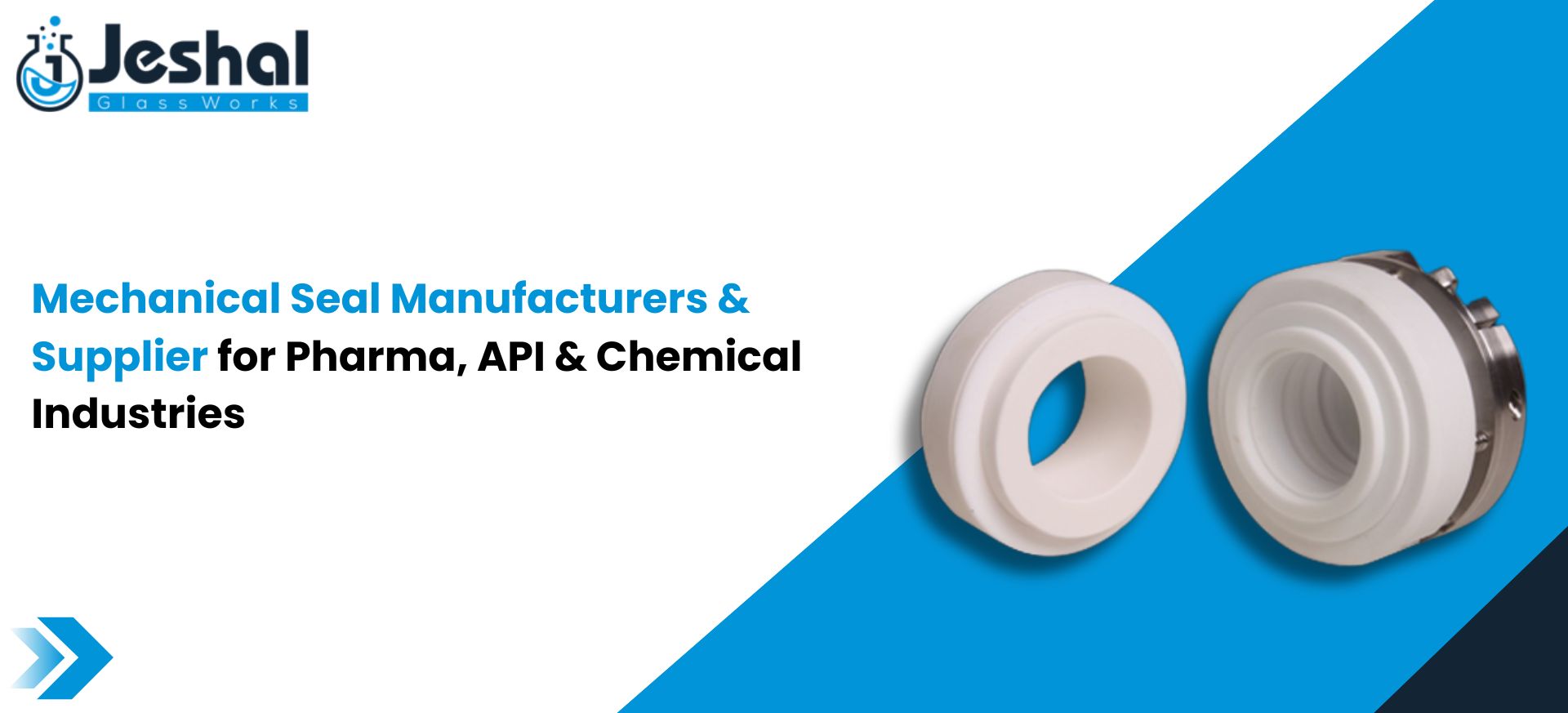
A mechanical seal is a sealing device installed between rotating and stationary parts of equipment such as pumps, mixers, agitators, and glass reactors. Its primary function is to prevent liquids, gases, or chemicals from leaking while allowing the equipment to operate efficiently.
Unlike traditional packing seals, mechanical seals provide a tighter seal with less friction and lower maintenance requirements. This makes them the preferred choice for industries handling corrosive chemicals, solvents, and high-purity materials.
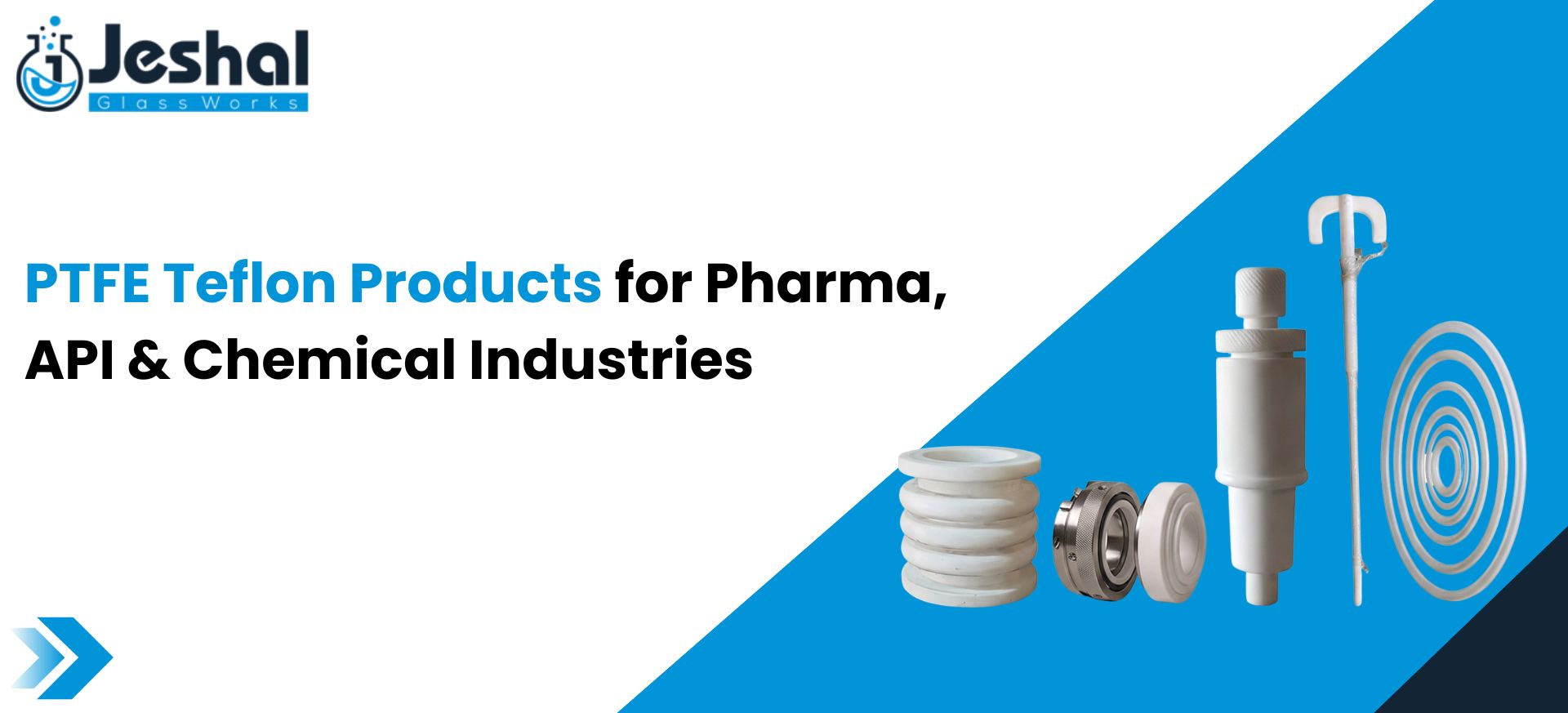
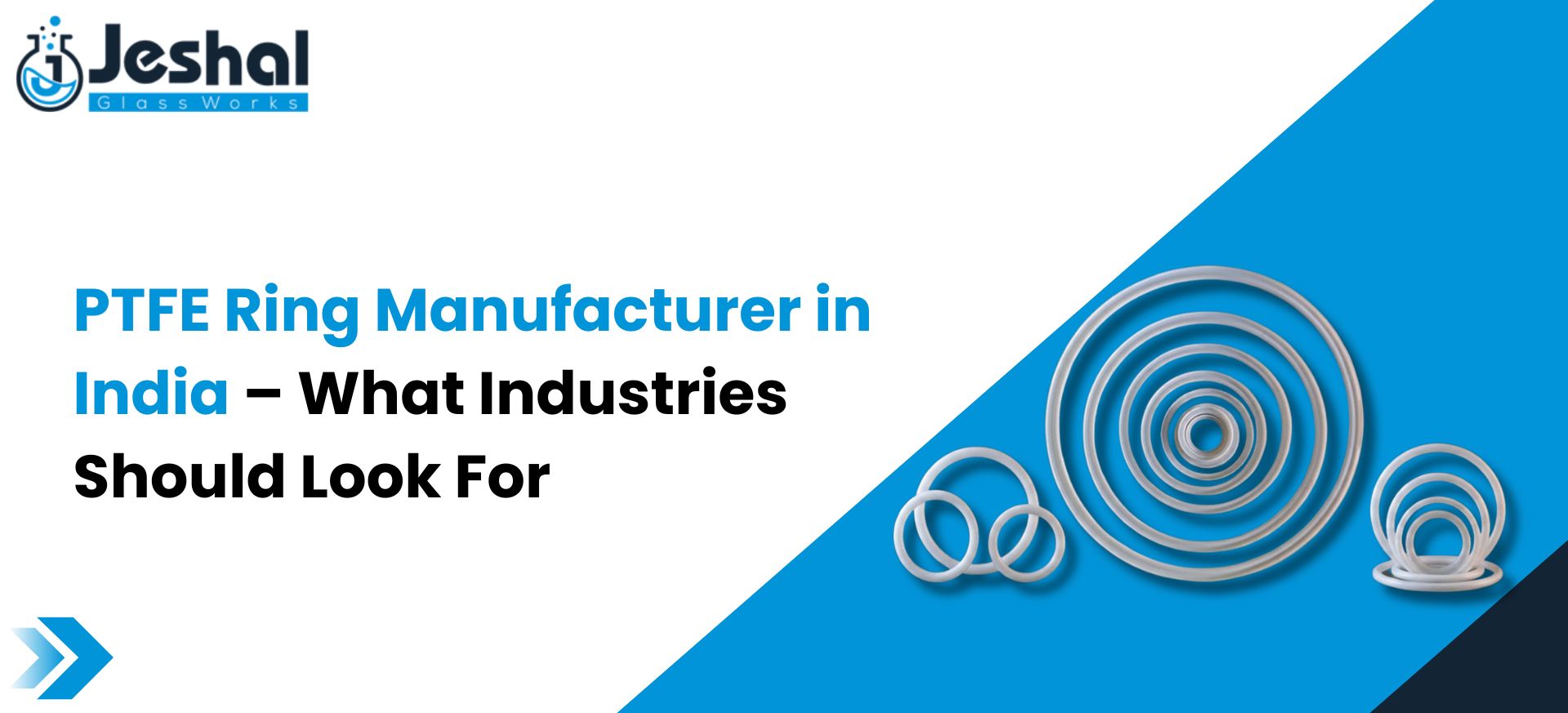
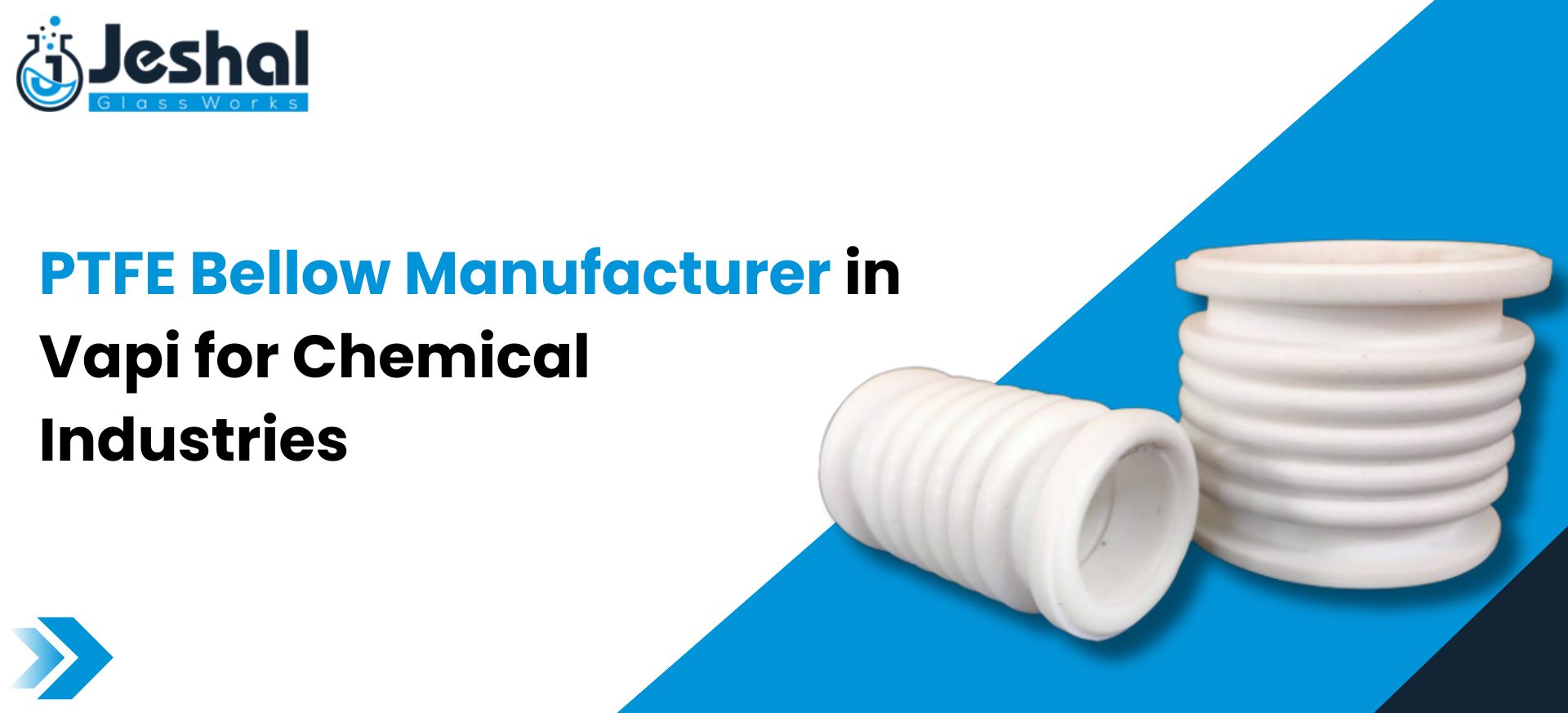
For applications involving aggressive chemicals, PTFE (Teflon) mechanical seals are widely used due to their excellent chemical resistance and durability.
Understanding how a mechanical seal works helps industries select the right sealing solution for their equipment.
A mechanical seal consists of two primary sealing faces:
As the shaft rotates, these precision-machined faces remain in contact, creating a leak-proof barrier. Springs and elastomer or PTFE components maintain consistent pressure between the faces, while a thin lubricating fluid film reduces friction and wear.
This design minimizes product leakage, protects equipment, and ensures smooth operation even under demanding process conditions.
Different industrial processes require different sealing solutions. Some of the most commonly used types include:
A reliable mechanical seal should provide long-term performance under challenging operating conditions.
Key features include:
These features contribute to improved equipment reliability and lower operating costs.
Mechanical seals are widely used across process industries where leakage control and product purity are essential.
Investing in high-quality mechanical seals offers several operational advantages:
Selecting the right mechanical seal manufacturer in India is essential for achieving reliable equipment performance.
Consider the following factors before making your decision:
Jeshal Glass Works is a trusted mechanical seal manufacturer and supplier serving pharmaceutical, API, chemical, petrochemical, and research industries across India.
Our expertise includes manufacturing precision-engineered PTFE mechanical seals designed for demanding industrial applications.
In addition to PTFE products, we also manufacture:
Factory Unit - L/1107/15, 3rd Phase, B/H, Phase 3, GIDC, Vapi, Gujarat 396195
What’s App Now - +91 9879572600
Our commitment to quality, engineering excellence, and customer satisfaction has made Jeshal Glass Works a preferred partner for industrial sealing solutions.
Mechanical seals play a crucial role in maintaining safe, efficient, and leak-free operations across pharmaceutical, API, chemical, and process industries. Choosing the right mechanical seal manufacturer and supplier ensures better equipment performance, reduced maintenance, improved safety, and long-term operational reliability.
If you're looking for high-quality PTFE mechanical seals and customized sealing solutions, Jeshal Glass Works offers precision-engineered products backed by technical expertise, quality assurance, and dependable customer support.
Contact Jeshal Glass Works today to discuss your application and request a customized mechanical seal solution for your industrial process.
A mechanical seal is a device that prevents leakage between rotating and stationary parts in equipment such as pumps, mixers, and reactors.
It uses rotating and stationary sealing faces that remain in contact to create a leak-proof seal while allowing equipment to operate smoothly.
Common types include PTFE mechanical seals, single seals, double seals, cartridge seals, and component seals.
PTFE mechanical seals offer excellent chemical resistance, high-temperature stability, low friction, and long service life, making them ideal for corrosive and high-purity applications.
Evaluate the manufacturer's experience, product quality, customization capabilities, quality control standards, technical support, and after-sales service.
Material selection, seal type, operating conditions, customization requirements, equipment compatibility, and manufacturing quality all influence the price of a mechanical seal.