A glass pilot plant is an important process-development solution for pharmaceutical, API, chemical, specialty chemical, and research industries. It allows manufacturers to test, optimize, and scale processes before investing in full-scale production equipment.
For companies operating in Gujarat's strong pharmaceutical and chemical manufacturing ecosystem, selecting the right glass pilot plant manufacturer in Gujarat can make a significant difference in process development, product quality, and operational efficiency.
A well-designed pilot plant provides better process visibility, flexibility, and control while helping engineers identify potential issues before commercial-scale production. Jeshal Glass Works provides customized glass pilot plant solutions designed around specific process requirements and industrial applications.
A glass pilot plant is a small- to intermediate-scale process system used to develop, test, and optimize manufacturing processes before they are transferred to larger production facilities.
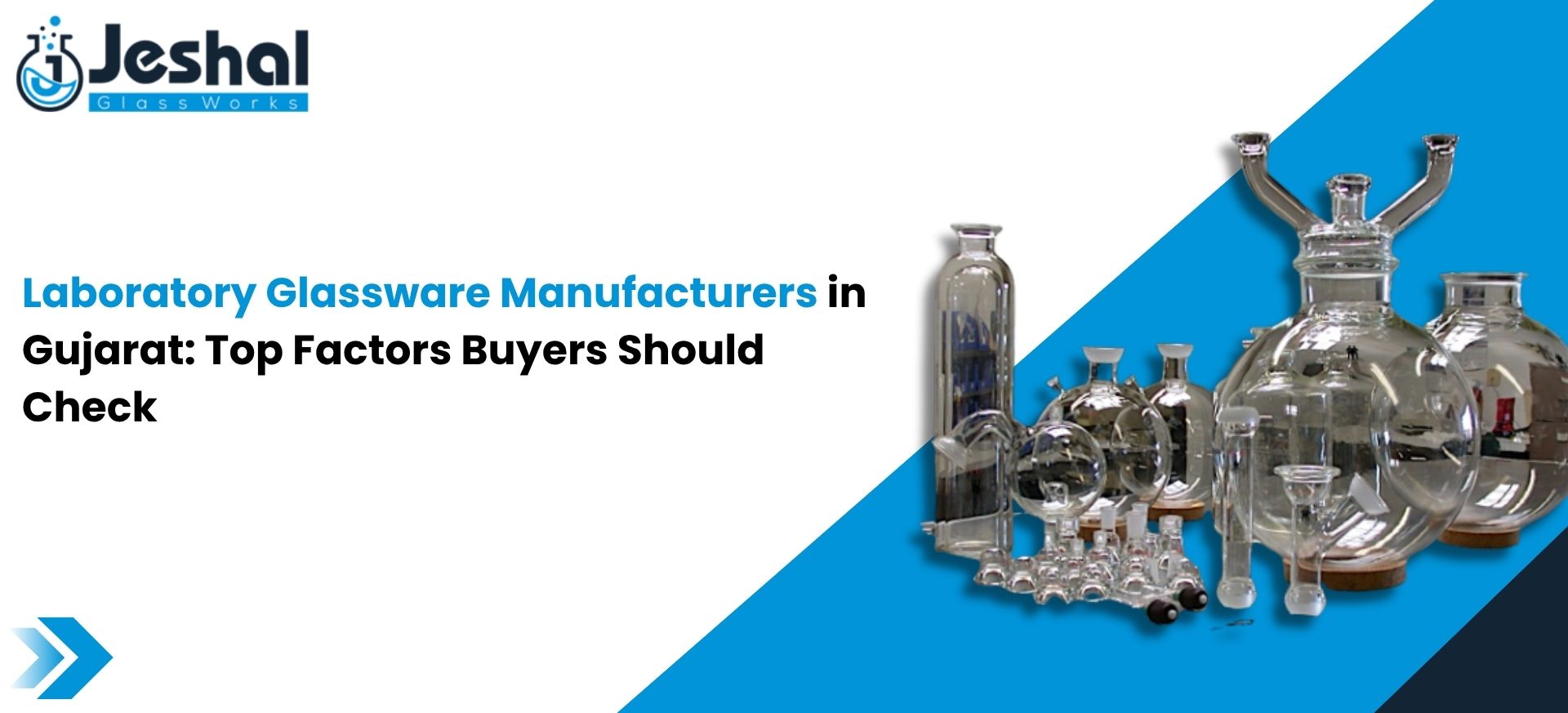
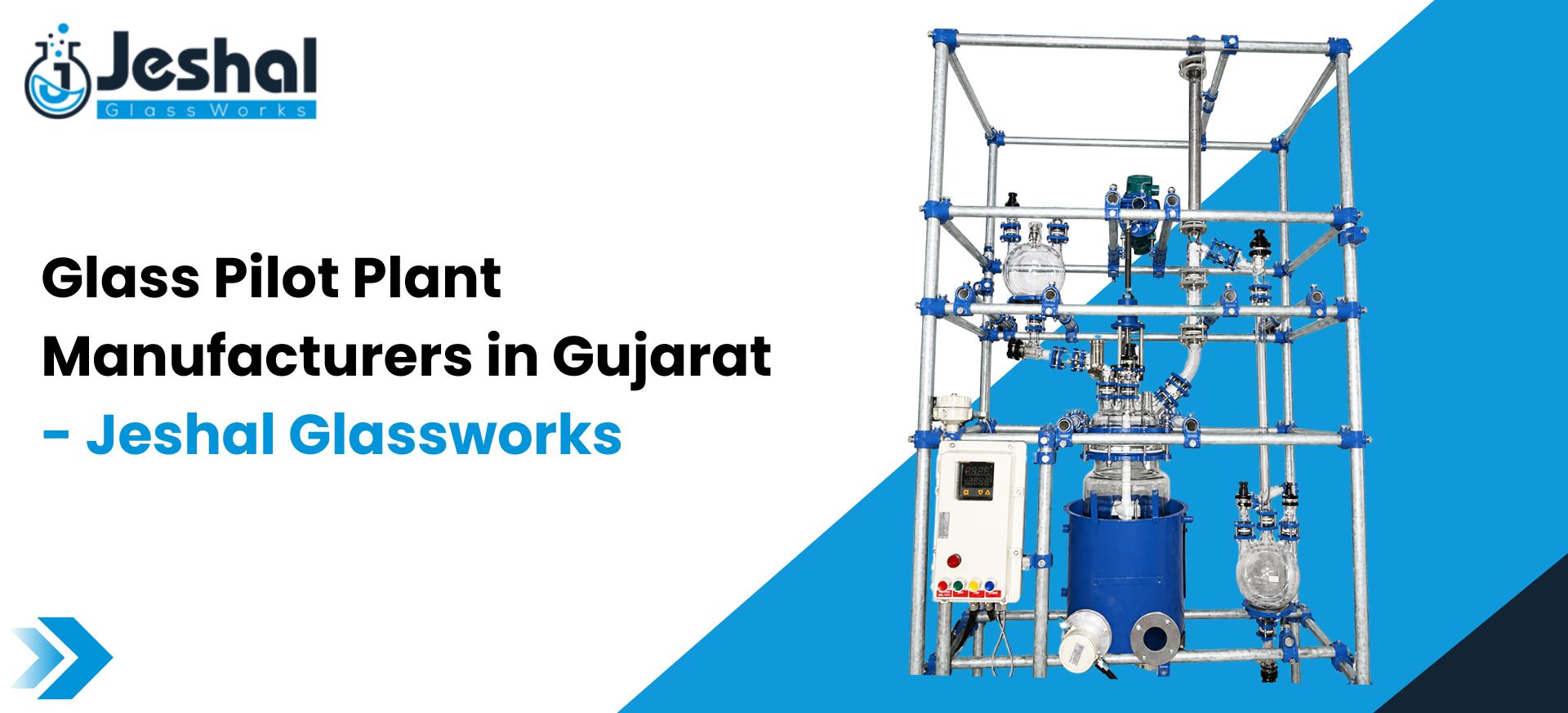
Unlike a basic laboratory glassware setup, a pilot plant integrates multiple process components into a functional system. Depending on the application, it may include glass reactors, distillation assemblies, condensers, receivers, PTFE components, mechanical seals, and other glass accessories.
Glass pilot plants are particularly useful when manufacturers need to observe reactions, control process conditions, evaluate separation techniques, recover solvents, or optimize production parameters.
They help manufacturers:
The working principle depends on the process being performed. A typical system may begin with a glass reactor or process vessel, where raw materials undergo mixing, heating, cooling, or chemical reaction.
After the reaction stage, the process stream can move through a distillation assembly or condenser for separation, purification, or solvent recovery. Condensed material can then be collected in a receiver or transferred to another process stage.
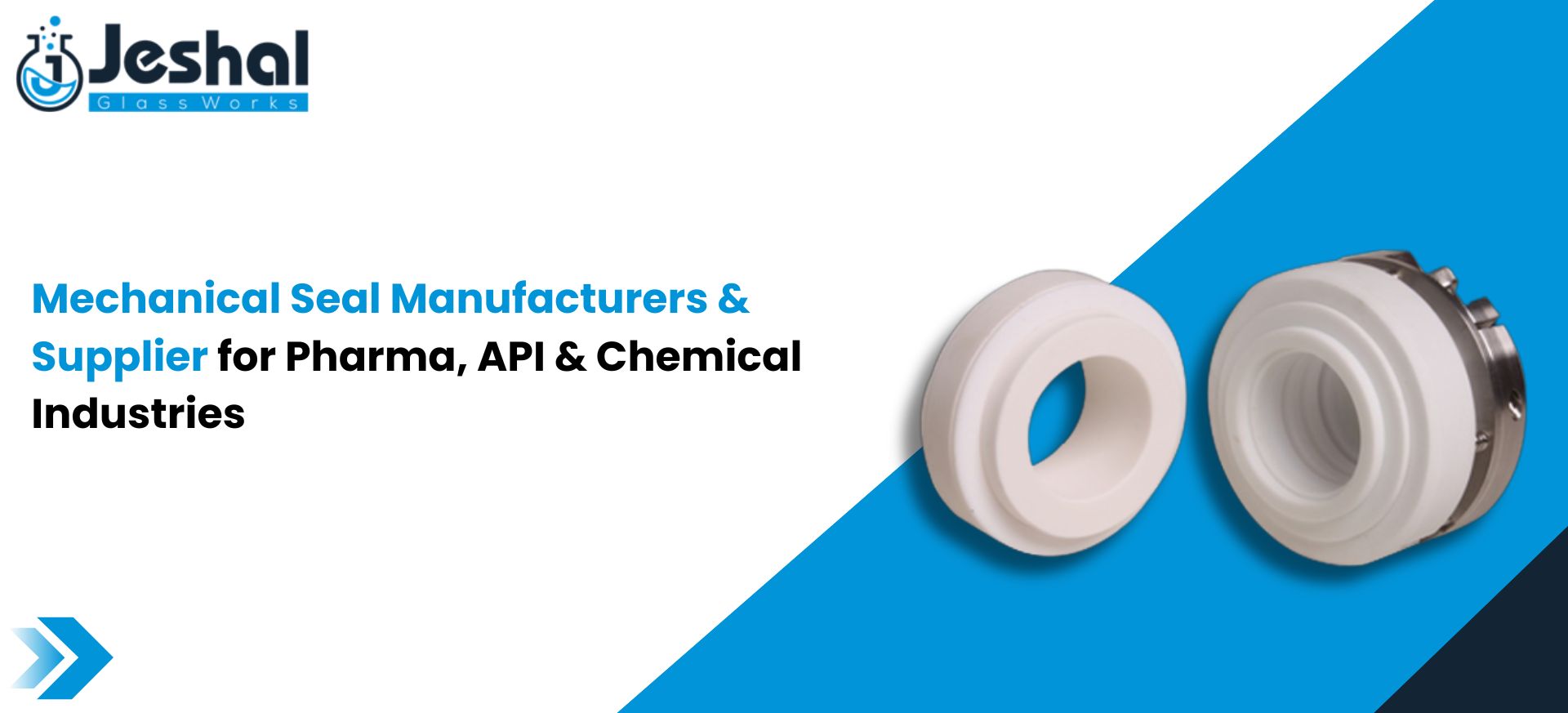
PTFE components and mechanical seals may be incorporated where reliable sealing and chemical resistance are required.
Because glass is transparent, operators can visually monitor several aspects of the process, including liquid levels, mixing behavior, and reaction changes. This visibility can be valuable during process development and troubleshooting.
A pilot plant configuration depends on the process, capacity, and operating conditions. Common components include:
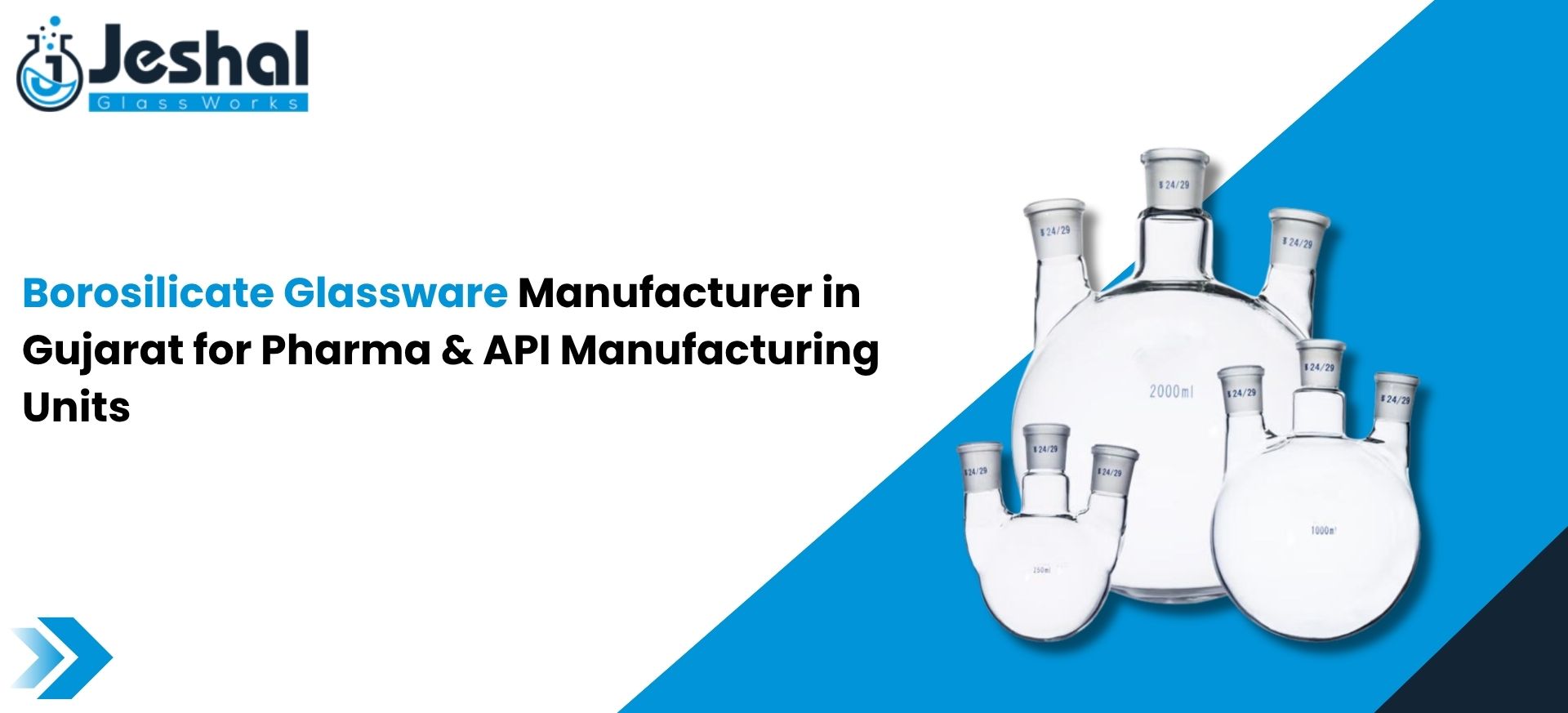
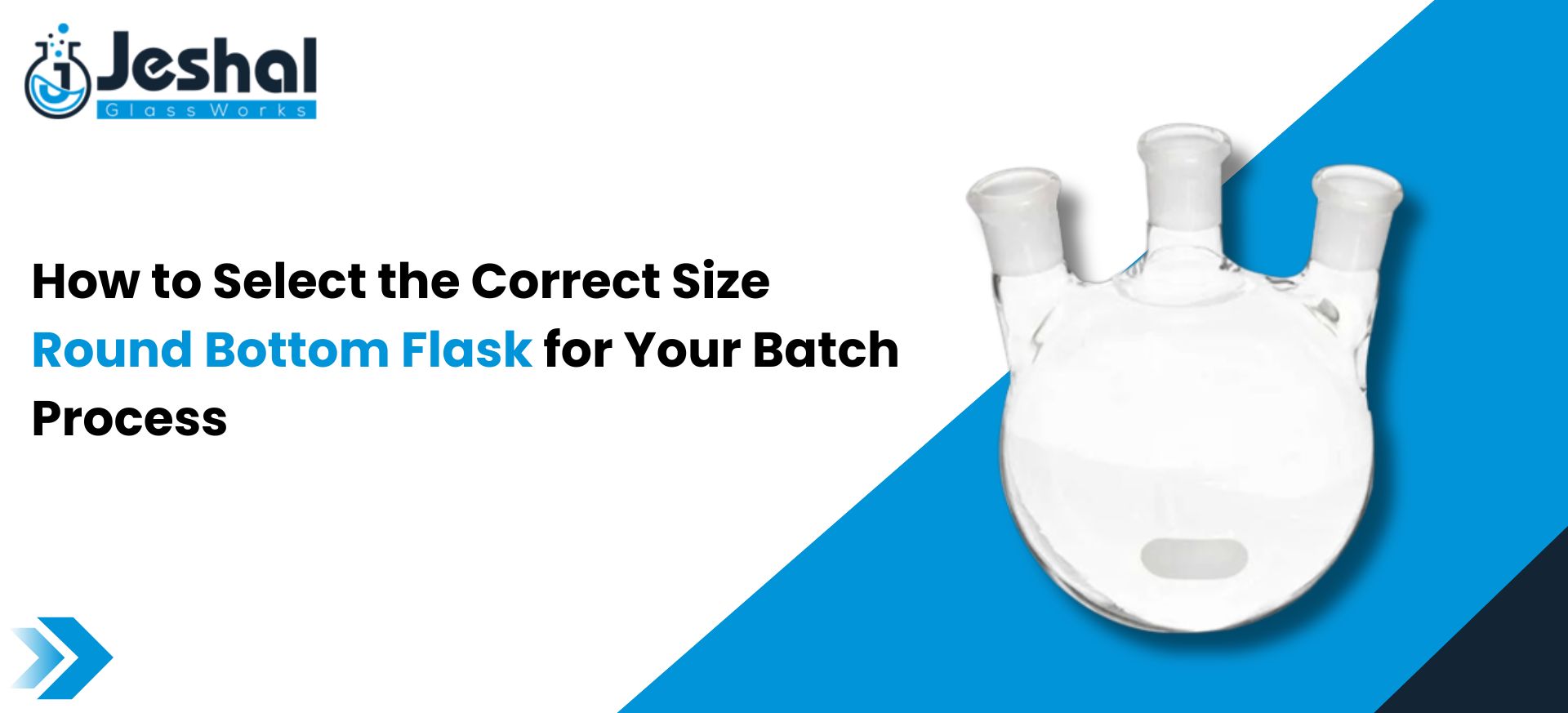
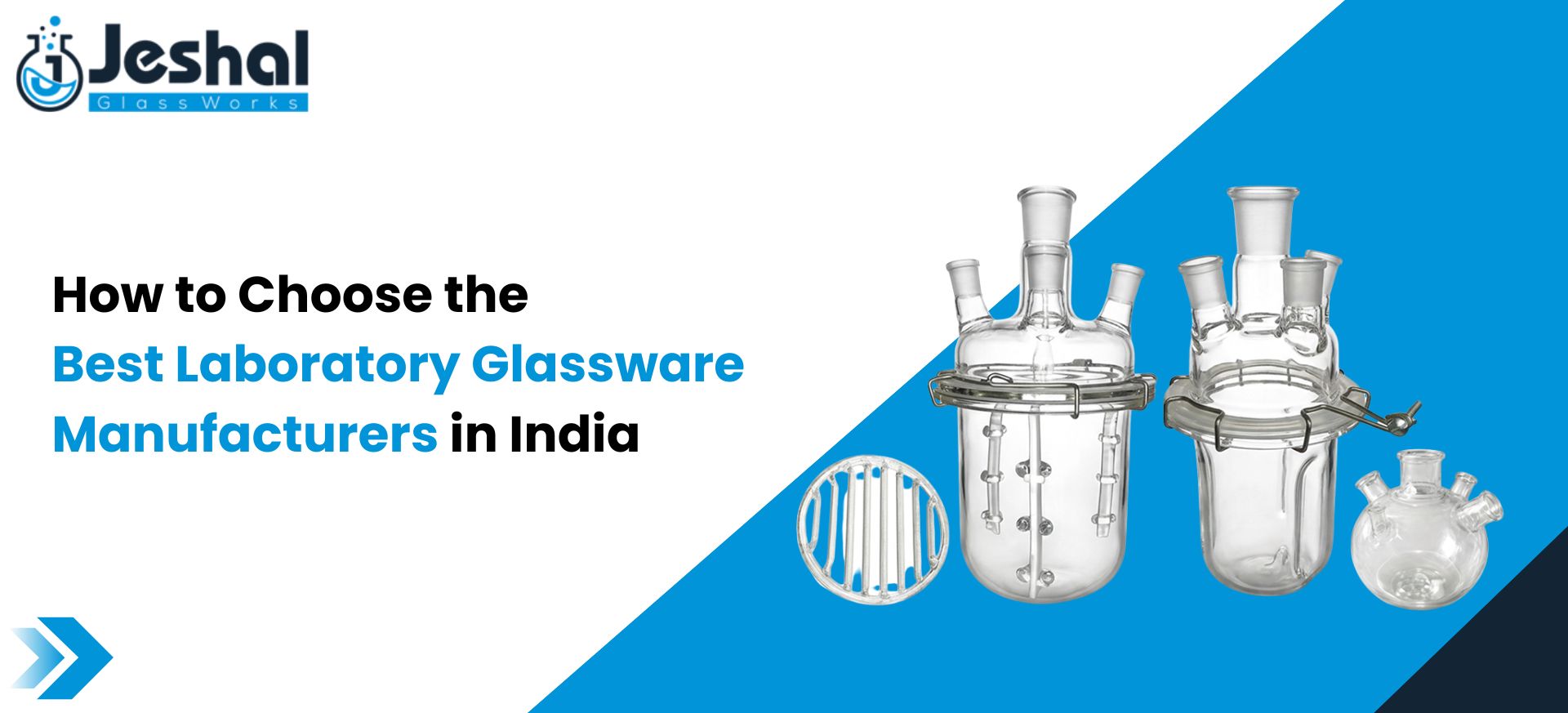
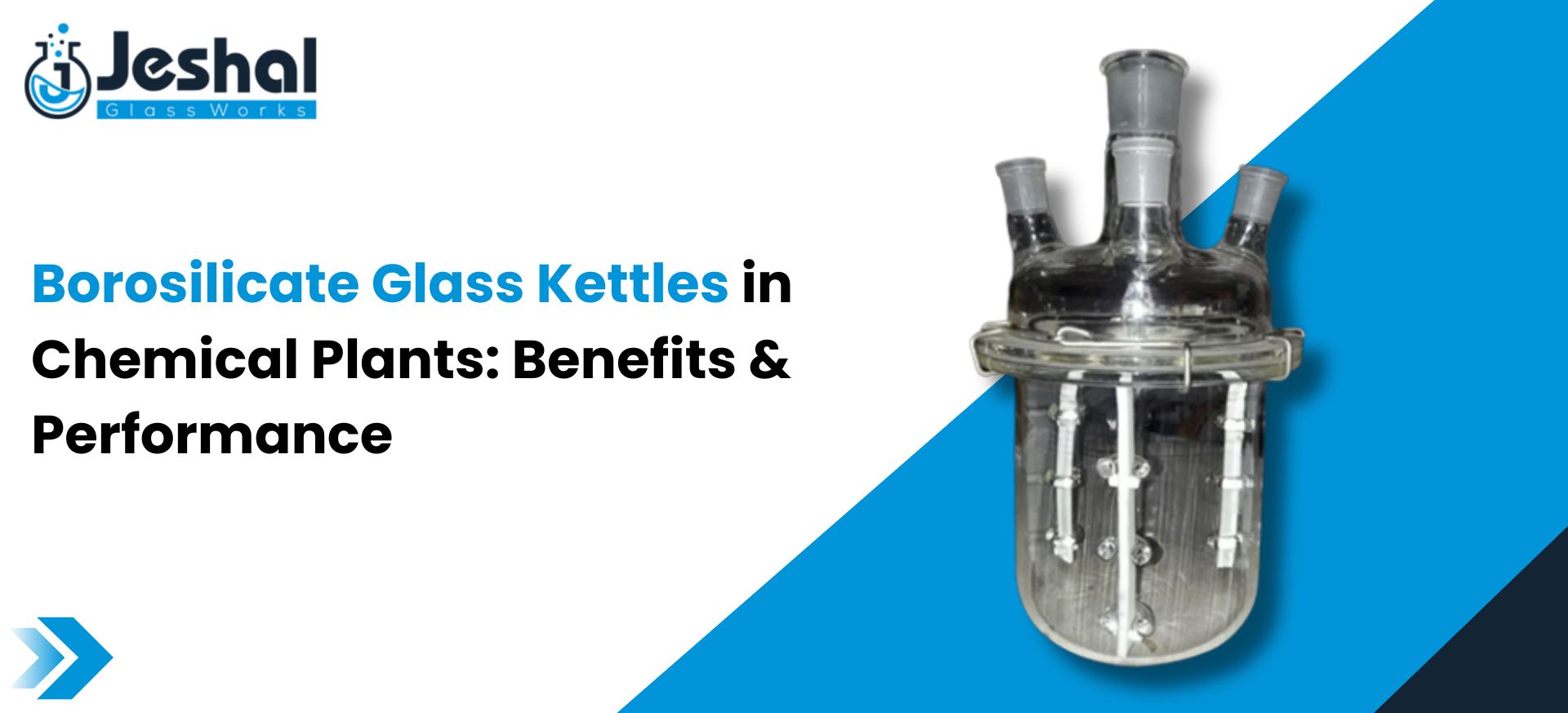
Glass reactors provide a controlled environment for chemical reactions, mixing, heating, and cooling. They are widely used in pharmaceutical, API, and chemical process development.
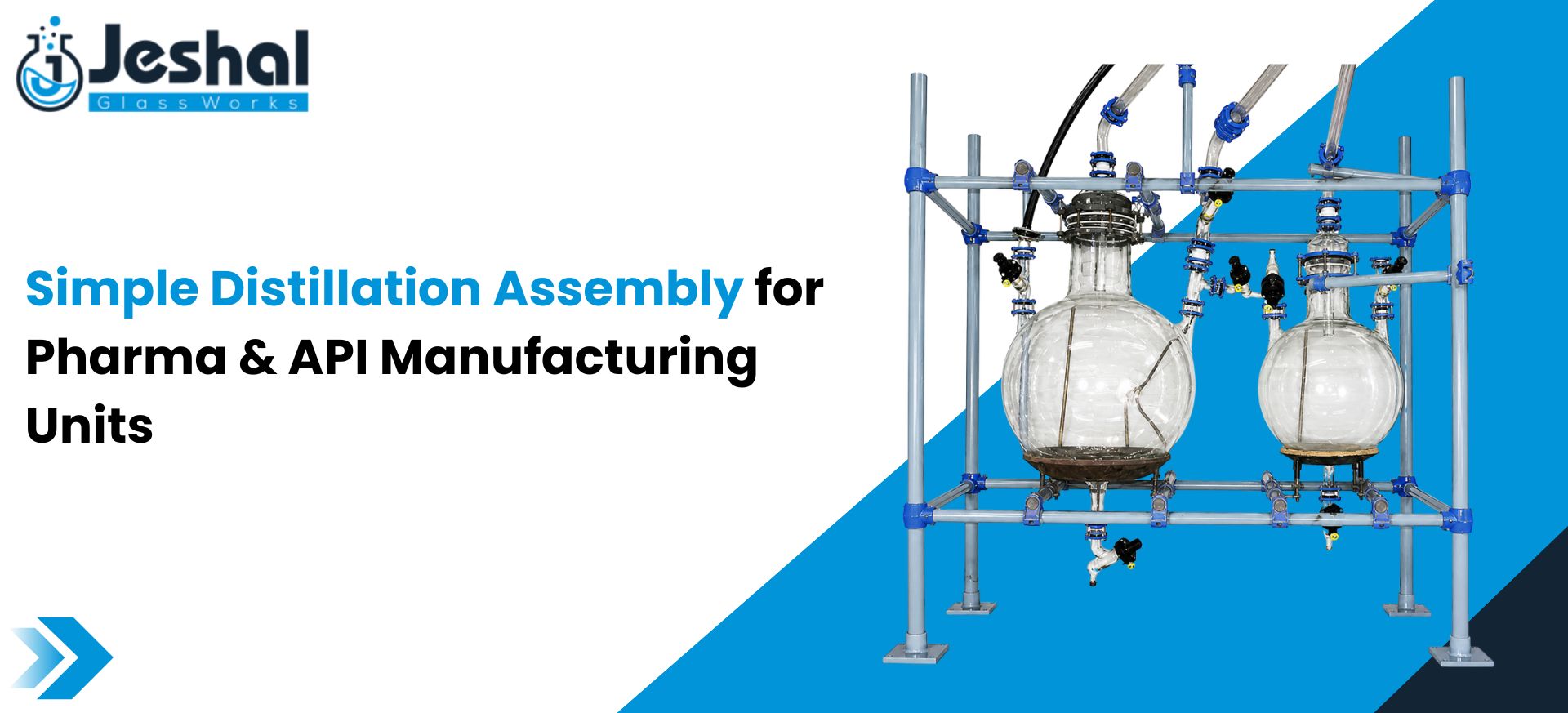
Distillation assemblies can be used for separation, purification, and solvent recovery during pilot-scale operations.
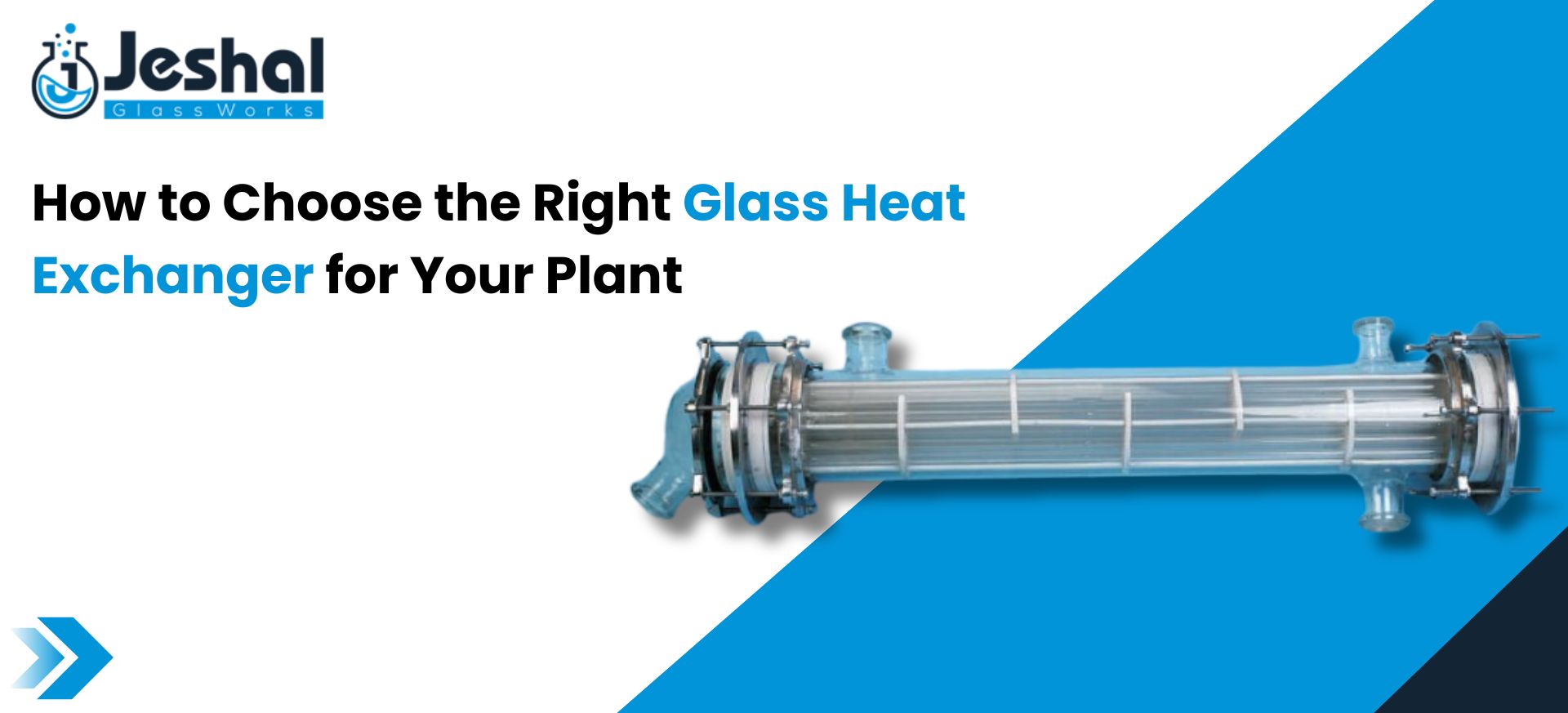
Condensers cool vapors and convert them back into liquids. They are essential for distillation and solvent recovery processes.
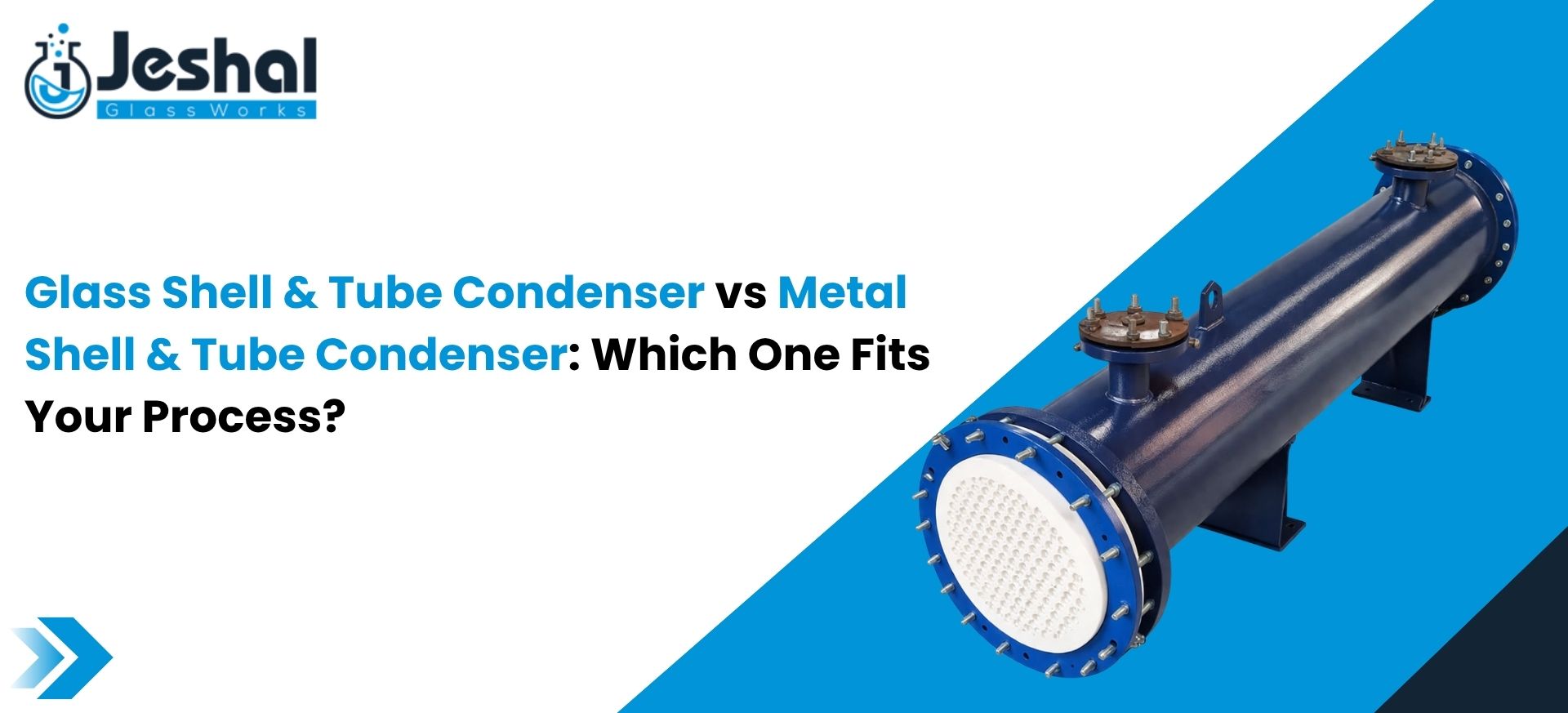
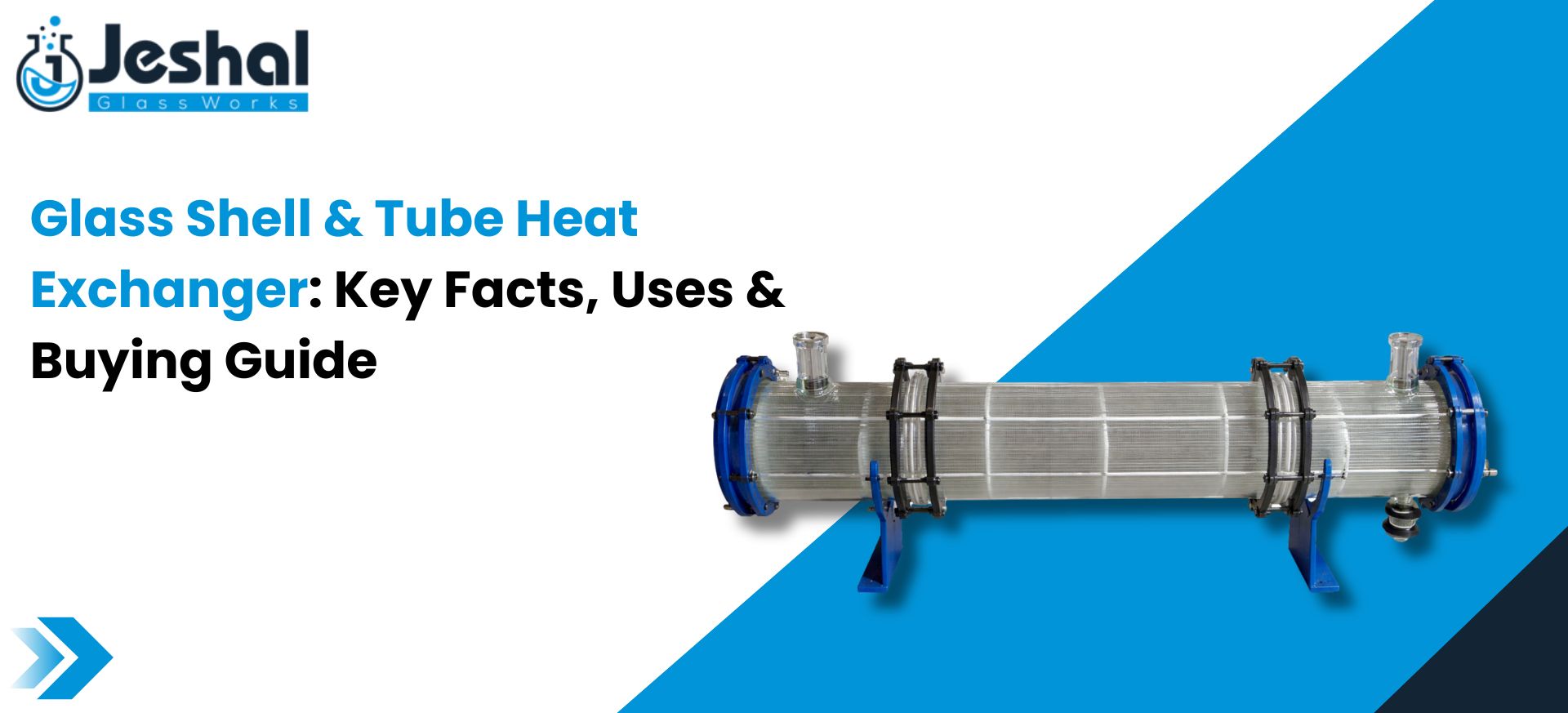
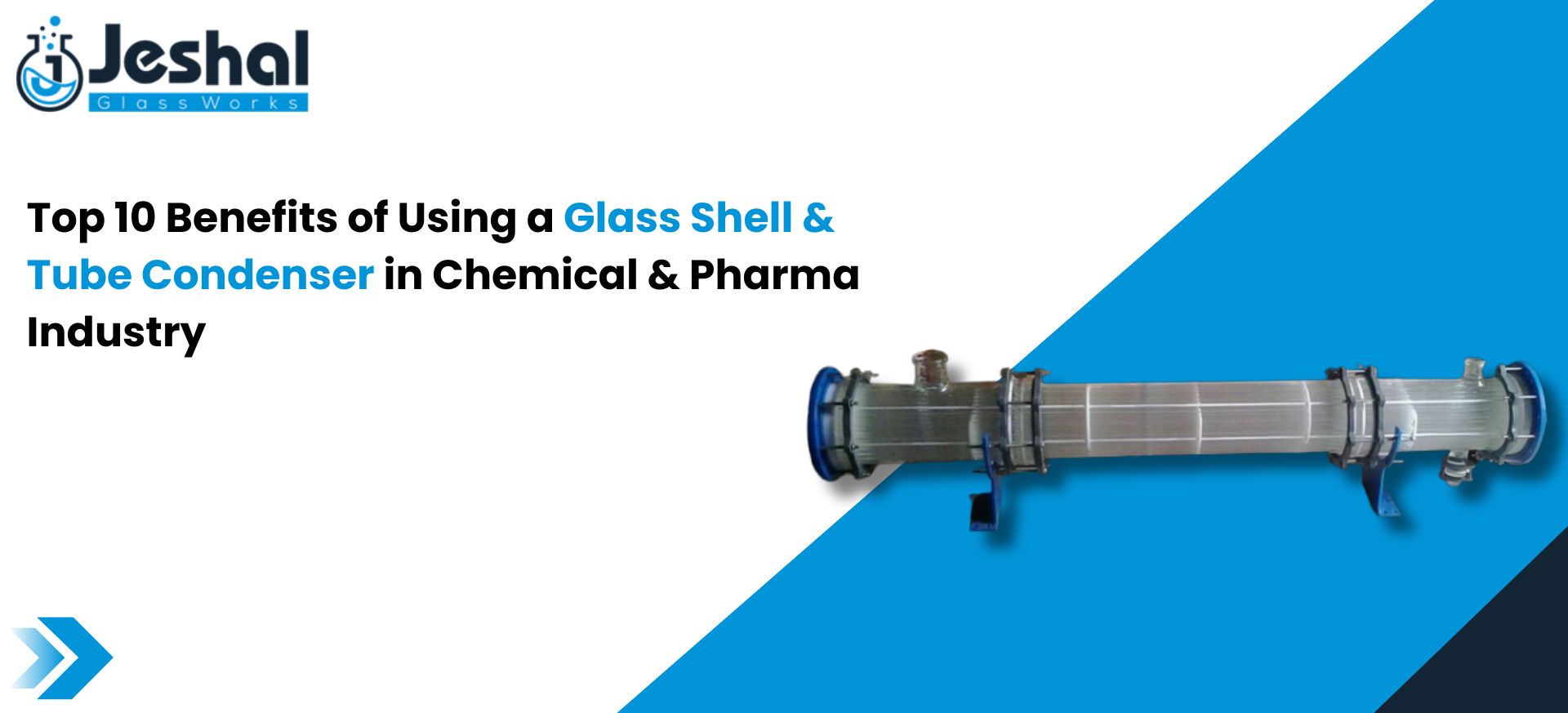
Shell & tube condensers can be incorporated where efficient heat exchange is required for industrial process applications.
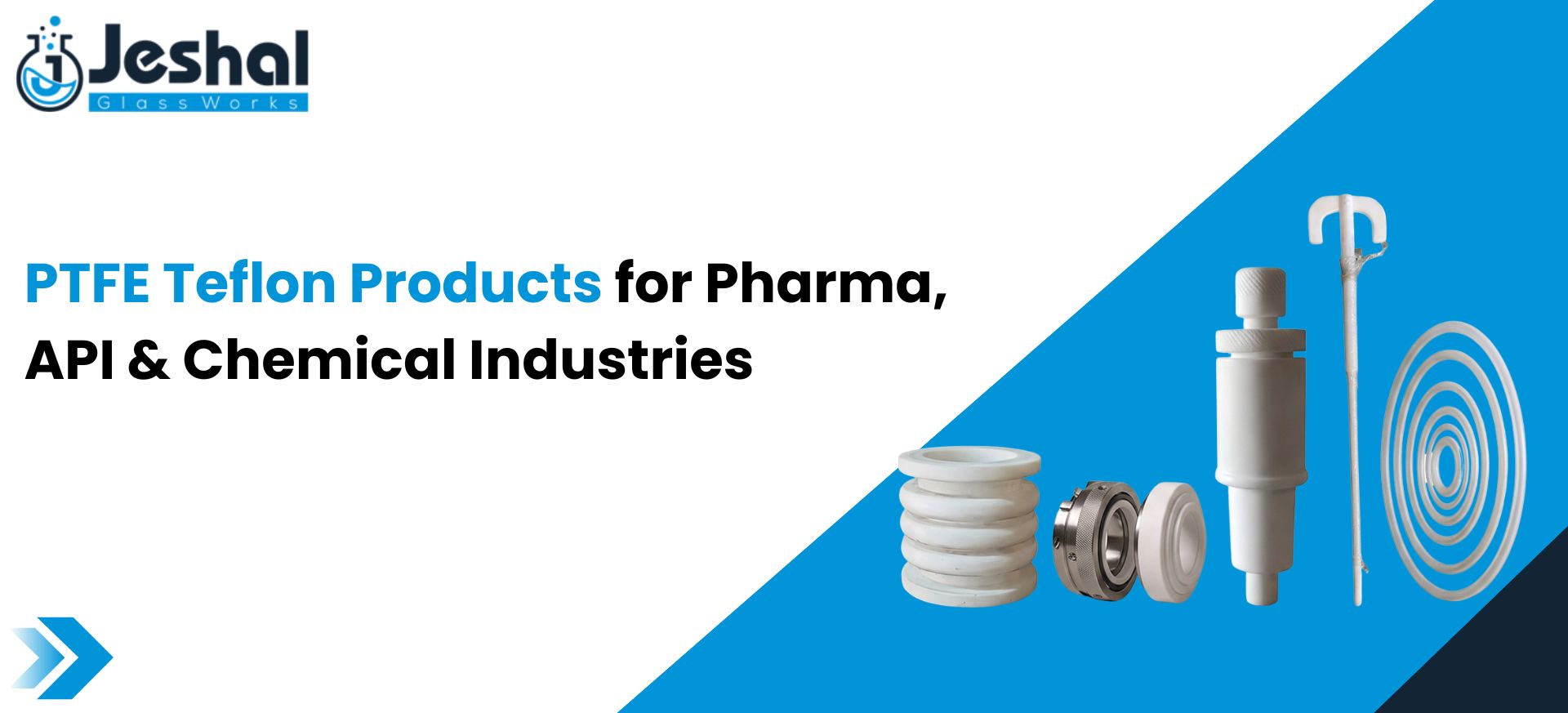
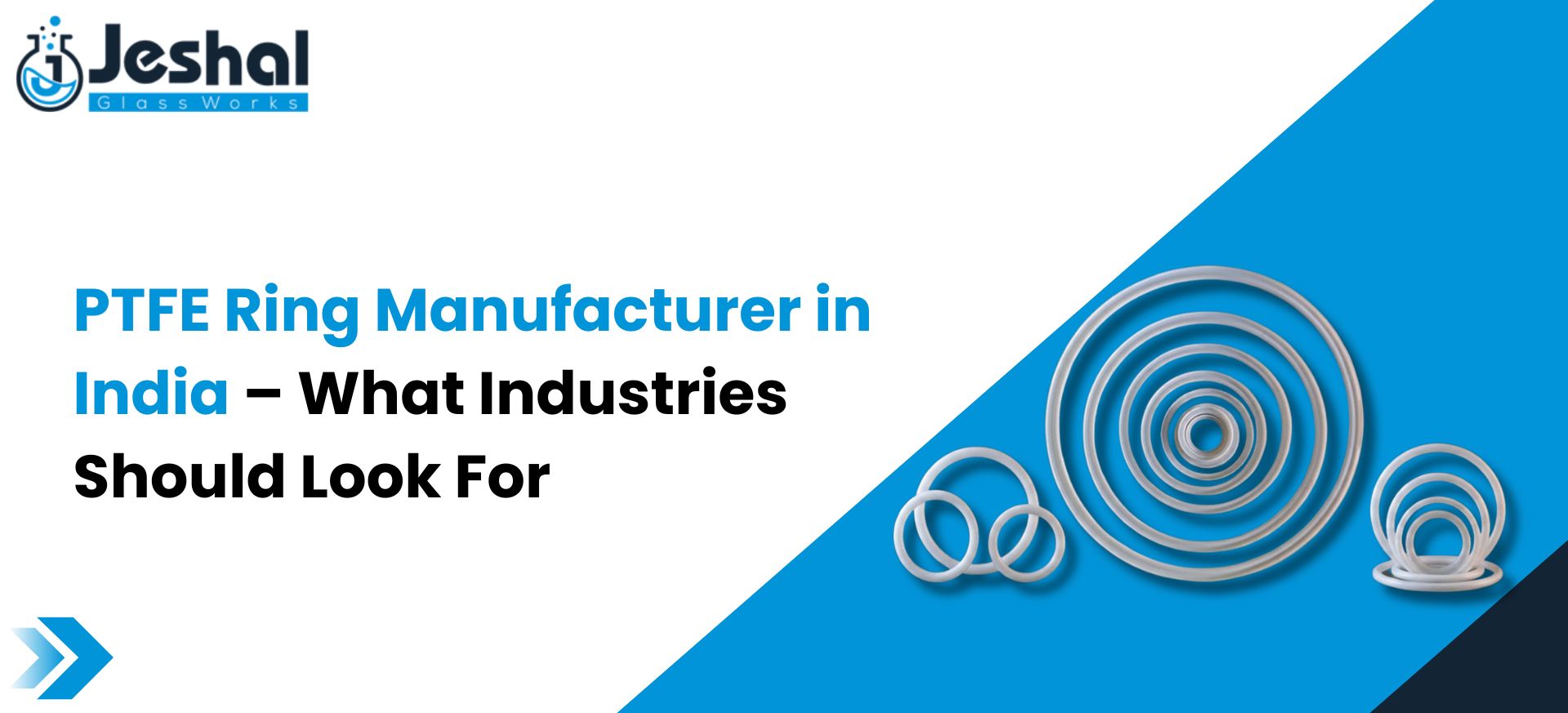
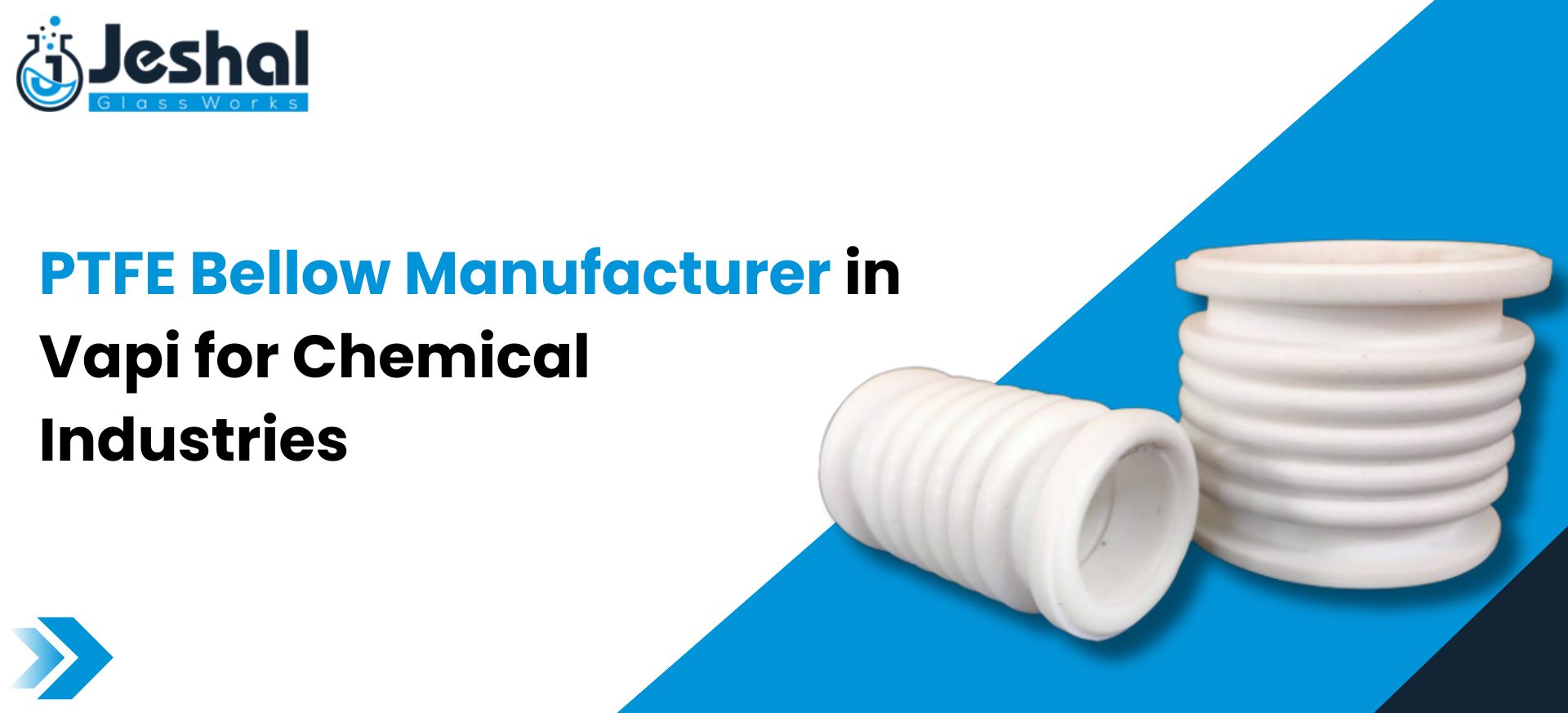
PTFE/Teflon products such as PTFE bellows, PTFE rings, mechanical seals, Teflon lab seals, and PTFE stirrer guides can provide chemical-resistant sealing and support within process systems.
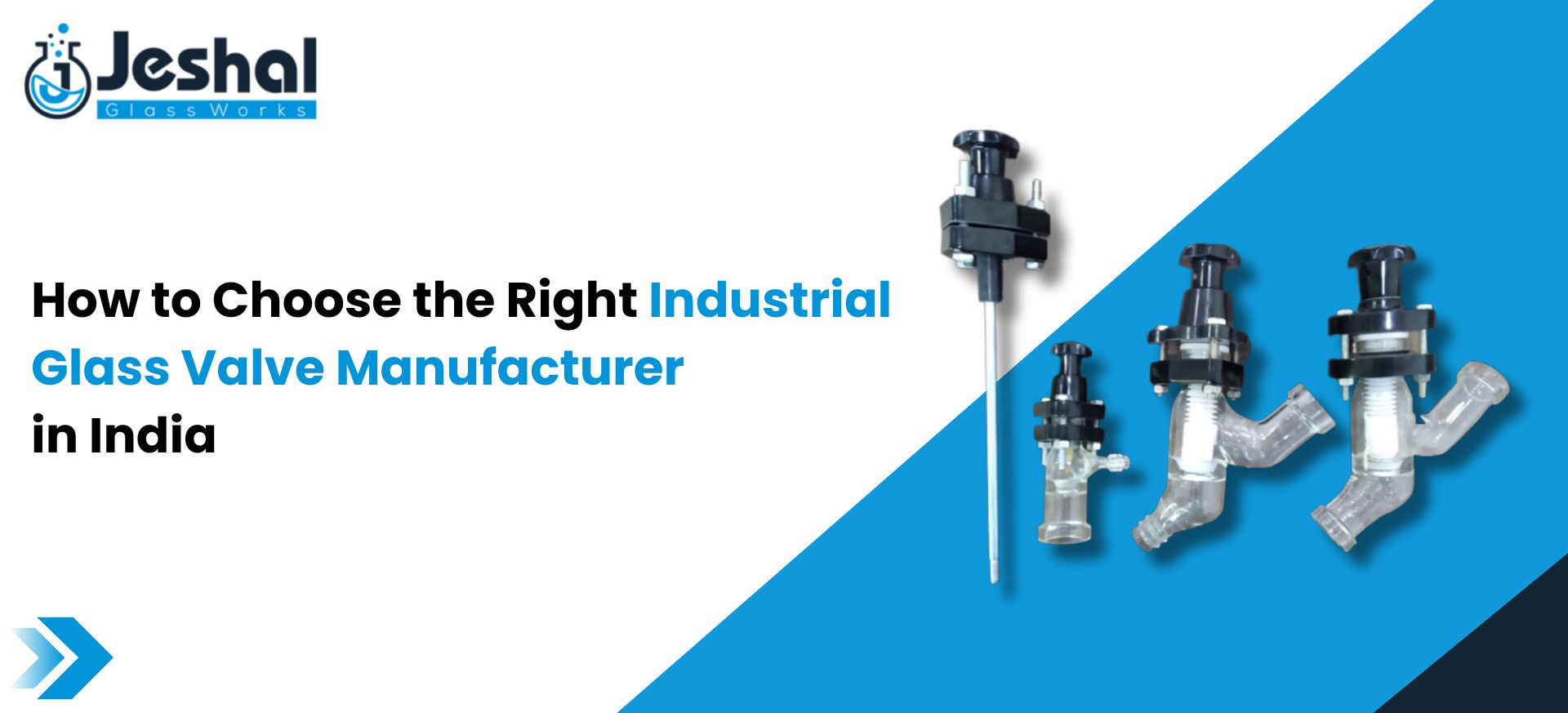
Specialized glass accessories and connecting components help create an integrated pilot plant according to the process layout.
Glass pilot plants are used across several industries.
They support process development, reaction optimization, solvent recovery, purification, and scale-up studies.
Chemical manufacturers use pilot plants to test reactions, evaluate operating conditions, and optimize separation processes before moving to larger equipment.
Pilot-scale systems allow manufacturers to develop and refine specialized chemical processes while maintaining greater process visibility.
Pilot plants can support the development and optimization of chemical synthesis and separation processes.
R&D laboratories use pilot plants to bridge the gap between laboratory experiments and commercial production.
Borosilicate glass is widely used in process equipment because of its useful combination of chemical and thermal properties.
Key advantages include:
The transparency of glass is particularly valuable during process development because operators can visually inspect the process rather than relying entirely on external indicators.
A properly designed glass pilot plant can offer several advantages:
Gujarat is home to a large number of pharmaceutical, API, chemical, specialty chemical, and manufacturing businesses. These industries often require process equipment designed around specific production and R&D requirements.
A glass pilot plant may need to be customized according to:
For this reason, businesses should evaluate manufacturers based not only on product availability but also on their ability to understand and accommodate the complete process requirement.
Before selecting a glass pilot plant supplier in India, consider the following:
Look for a manufacturer with experience in industrial glass process equipment and pharmaceutical or chemical applications.
A reliable manufacturer should be able to develop a system around your process rather than offering only standard configurations.
The manufacturer should understand borosilicate glass, PTFE components, sealing requirements, and chemical compatibility.
Check whether fabrication, dimensions, connections, and components are inspected before delivery.
Design consultation, installation assistance, and after-sales support can be valuable when commissioning a customized system.
Jeshal Glass Works provides customized solutions for pharmaceutical, API, chemical, specialty chemical, agrochemical, and R&D applications. Our Glass Pilot Plant Assembly is designed to support process development, testing, optimization, and scale-up requirements.
Our product portfolio includes:
Jeshal Glass Works focuses on application-specific manufacturing, quality control, customization, technical assistance, and dependable customer support.
Choosing a pilot plant manufacturer is a long-term technical decision. Jeshal Glass Works combines glass manufacturing expertise with an understanding of process equipment requirements to develop solutions suited to individual applications.
From the selection of glass components to PTFE sealing solutions, condensers, reactors, and accessories, the system can be planned around the customer's process requirements.
Looking for a customized glass pilot plant in Gujarat? Contact Jeshal Glass Works to discuss your process requirements and request a customized quotation.
A glass pilot plant provides an effective bridge between laboratory-scale experimentation and larger-scale manufacturing. With applications across pharma, API, chemical, specialty chemical, agrochemical, and R&D industries, it helps manufacturers evaluate processes, improve efficiency, and reduce scale-up risks.
Choosing an experienced glass pilot plant manufacturer in Gujarat is important for achieving the right combination of glass quality, process configuration, customization, sealing, and technical support.
Jeshal Glass Works offers customized glass pilot plant assemblies and supporting process equipment designed to meet specific industrial requirements.
A glass pilot plant is a small- to intermediate-scale process system used to develop, test, optimize, and evaluate manufacturing processes before commercial-scale production.
It is used for process development, reaction testing, distillation, solvent recovery, purification, process optimization, and scale-up studies.
Borosilicate glass provides good chemical resistance, thermal resistance, process visibility, and ease of cleaning, making it suitable for many pharmaceutical and chemical applications.
Yes. Pilot plants can be configured according to process capacity, temperature, pressure or vacuum requirements, agitation, distillation, condensation, and chemical compatibility.
Evaluate the manufacturer's glass fabrication expertise, customization capabilities, quality control, industry experience, technical support, installation assistance, and after-sales service.