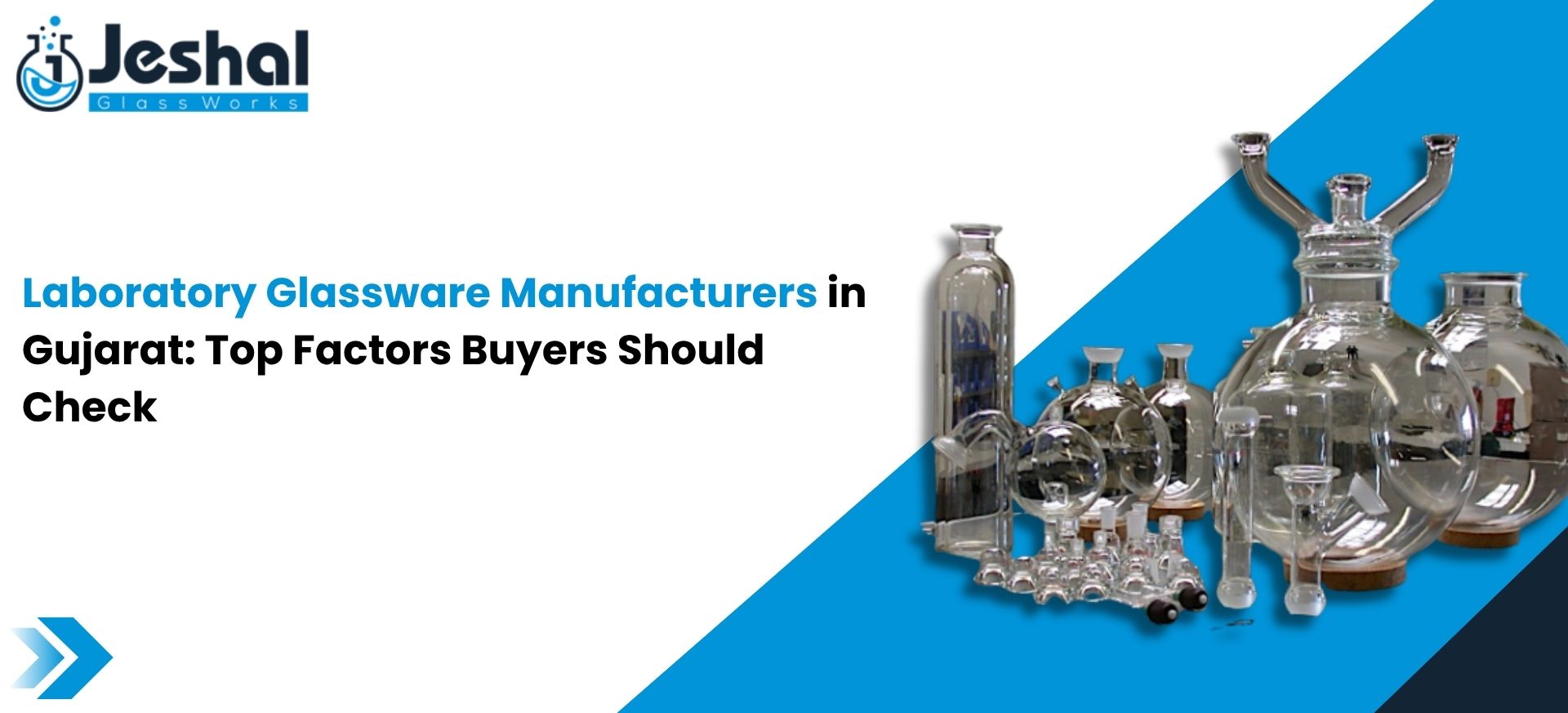
Choosing the right laboratory glassware manufacturers in Gujarat is an important decision for pharmaceutical, API, chemical, specialty chemical, agrochemical, and research laboratories. Laboratory glassware is not simply a collection of vessels and components—it often becomes part of testing, process development, chemical handling, and laboratory workflows.
The right manufacturer should therefore offer more than standard products. Buyers should evaluate material quality, fabrication capabilities, dimensional accuracy, customization options, application knowledge, quality control, delivery, and technical support before placing an order.
This guide explains the key factors buyers should check when selecting a laboratory glassware manufacturer or lab glassware supplier in Gujarat.
Laboratory glassware can be used for chemical reactions, heating, distillation, sample handling, testing, research, and process development. Its performance depends on the material, design, dimensions, connections, finishing, and suitability for the intended application.
For industries such as pharmaceuticals and API manufacturing, even a small mismatch in dimensions or connections can create difficulties when integrating glassware with existing equipment.
Working with an experienced laboratory glassware manufacturer can help buyers discuss their application requirements before selecting or customizing the required glass components.
Laboratories and industrial R&D facilities may require different types of glassware depending on their processes.
Common requirements include:
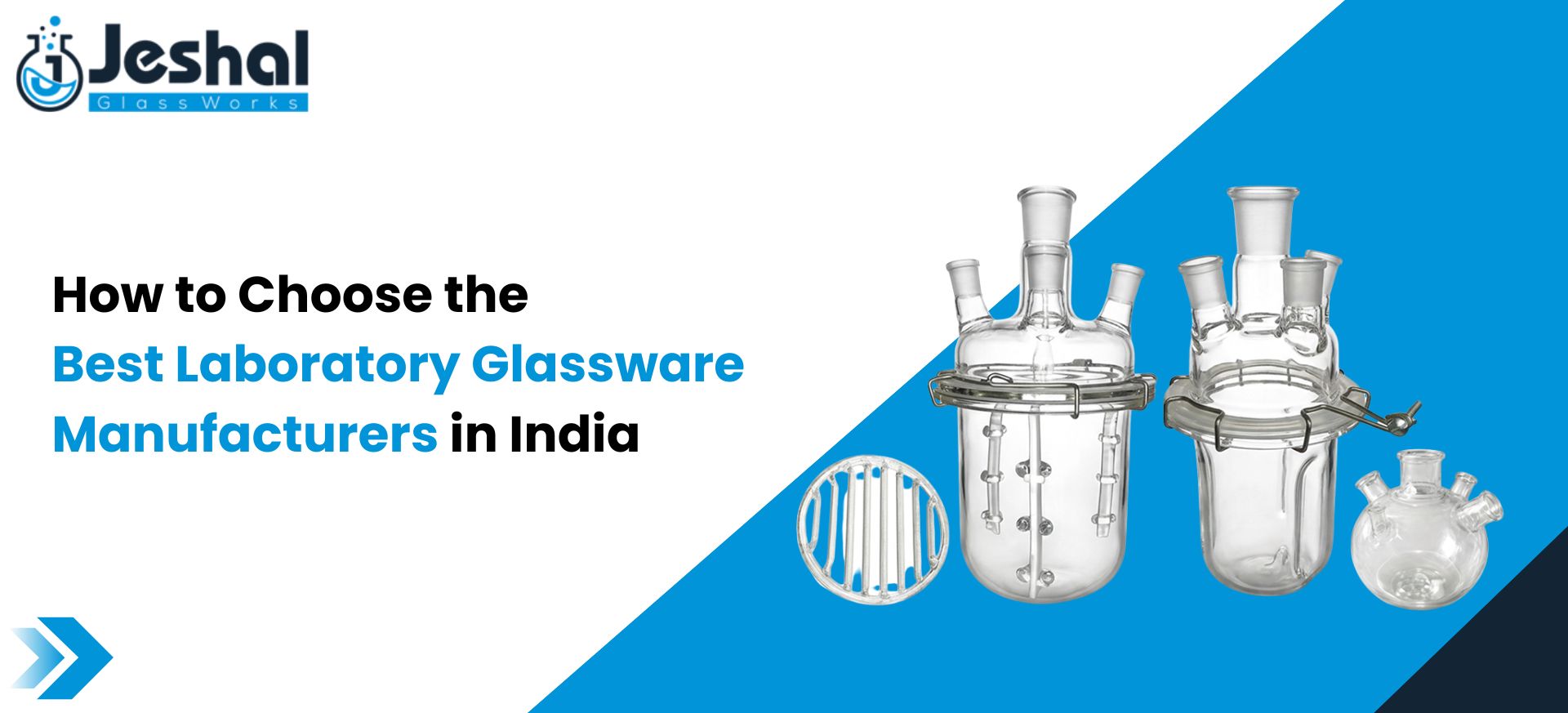
For larger process-development requirements, laboratory glassware may also need to integrate with industrial glass process systems or glass pilot plant equipment.
The important point is to select glassware based on its intended application rather than choosing a product only by size or appearance.
Before selecting laboratory glassware manufacturers in Gujarat, buyers should evaluate the following factors.
The glass material should be appropriate for the intended application. For many laboratory and process applications, borosilicate glass is preferred because of its useful chemical and thermal characteristics.
Ask the manufacturer about the glass material being used and whether it is suitable for your operating conditions.
A capable glassware factory should have the ability to manufacture glass components according to required dimensions and configurations.
This becomes especially important when standard laboratory glassware does not match an existing setup.
Ask whether the manufacturer can handle:
Dimensional accuracy matters when multiple glass components need to work together.
Before ordering, confirm important specifications such as capacity, diameter, neck dimensions, joint requirements, connection sizes, and overall configuration.
For custom laboratory glassware, providing accurate technical drawings or process specifications can make communication between the buyer and manufacturer easier.
Not every laboratory application can be handled with an off-the-shelf product. Custom glass manufacturers can provide solutions designed around specific process requirements.
Customization may be relevant when a customer needs particular dimensions, connections, assemblies, or integration with existing equipment.
A manufacturer should first understand the application before recommending a customized solution.
A major advantage of working directly with a manufacturer is the opportunity to discuss requirements before production.
For example, a pharmaceutical or chemical R&D facility may require a custom glass assembly that connects with a reactor, condenser, distillation system, or other process equipment.
In such cases, the buyer should share relevant technical details, including:
This information helps the manufacturer understand the requirement and recommend an appropriate configuration.
Quality should be considered throughout the manufacturing process rather than only after the product is completed.
When evaluating lab glassware suppliers, buyers can ask about:
For customized products, inspection against approved drawings or specifications is particularly useful.
A manufacturer that combines fabrication experience with quality inspection can provide greater clarity during procurement.
Different industries have different glassware requirements.
Pharmaceutical and API facilities may require glassware for laboratory testing, process development, distillation, reaction, and related applications.
Chemical applications can require glassware with suitable chemical compatibility and configurations for specific process conditions.
Agrochemical R&D and processing environments may require customized laboratory glassware for chemical testing and process-development activities.
Research facilities often need flexibility because experimental setups can vary from project to project. Custom glass assemblies can be useful when standard configurations are not suitable.
Check Industries We Serve ⟶ Industries
A laboratory glassware supplier may provide access to products from different manufacturers, while a direct manufacturer can offer greater involvement in fabrication and customization.
If you require standard laboratory products, a supplier may be suitable. However, if your requirement involves customized dimensions, specialized assemblies, or integration with existing process equipment, discussing the requirement directly with a manufacturer can be beneficial.
The right choice ultimately depends on the complexity of your application and the level of customization required.
Jeshal Glass Works focuses on glassware and glass process solutions for pharmaceutical, API, chemical, specialty chemical, agrochemical, fragrance and flavour, and R&D applications.
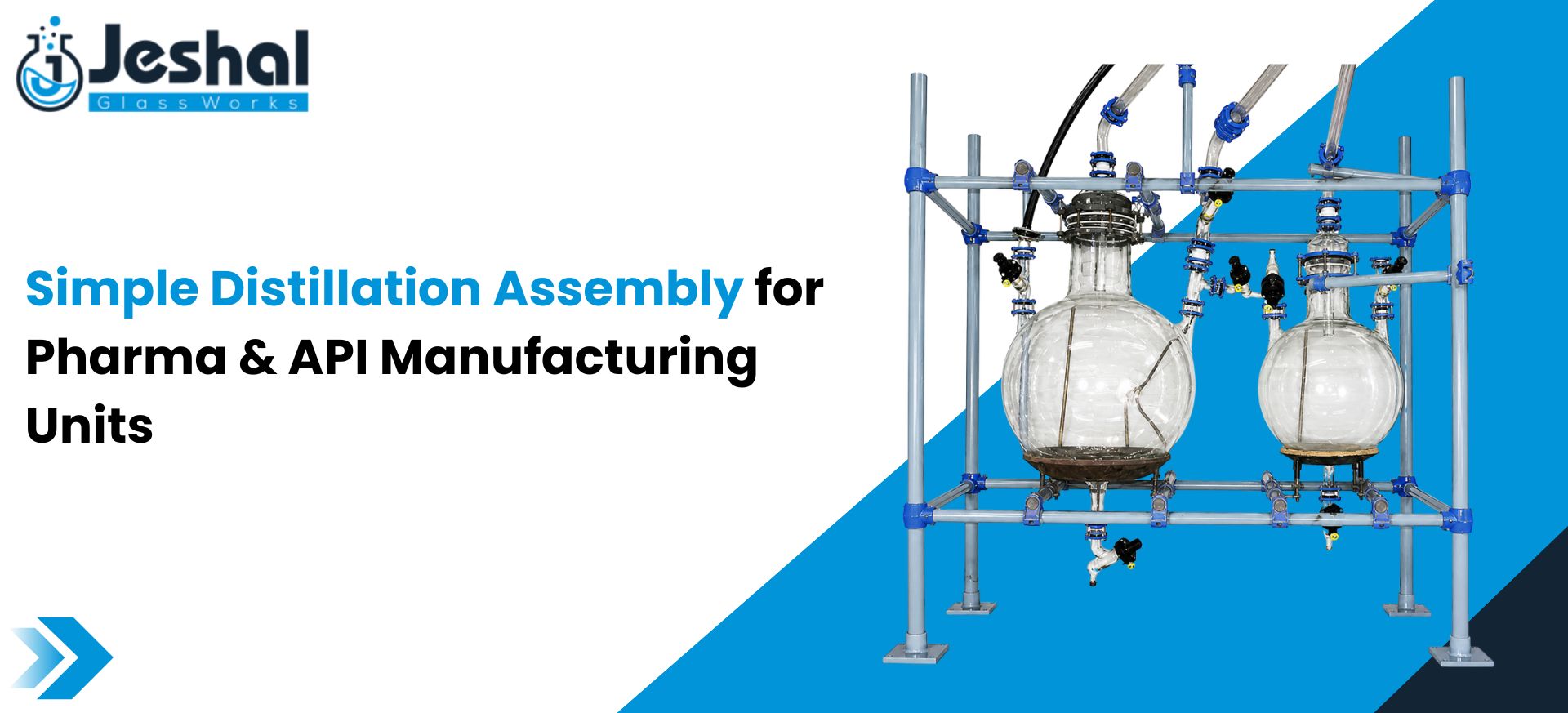
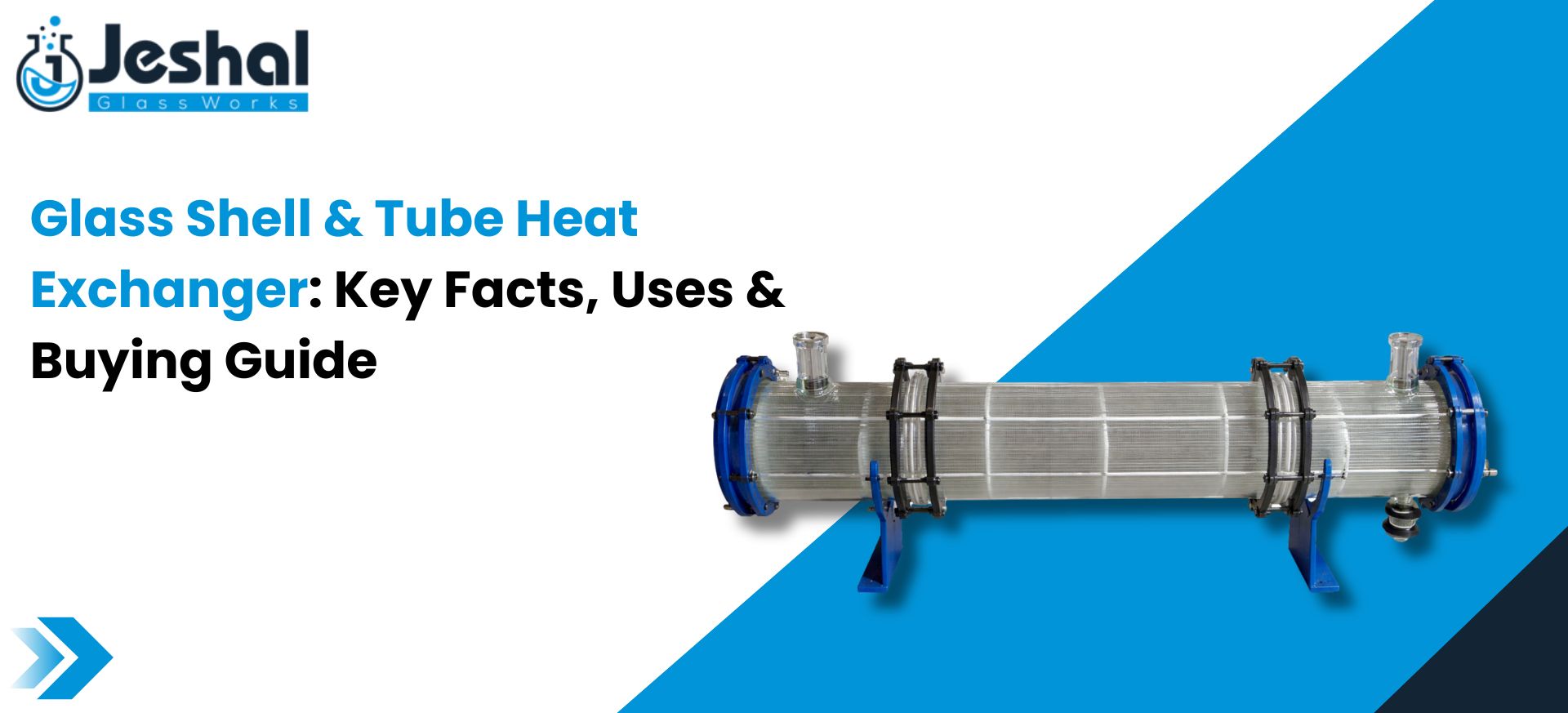
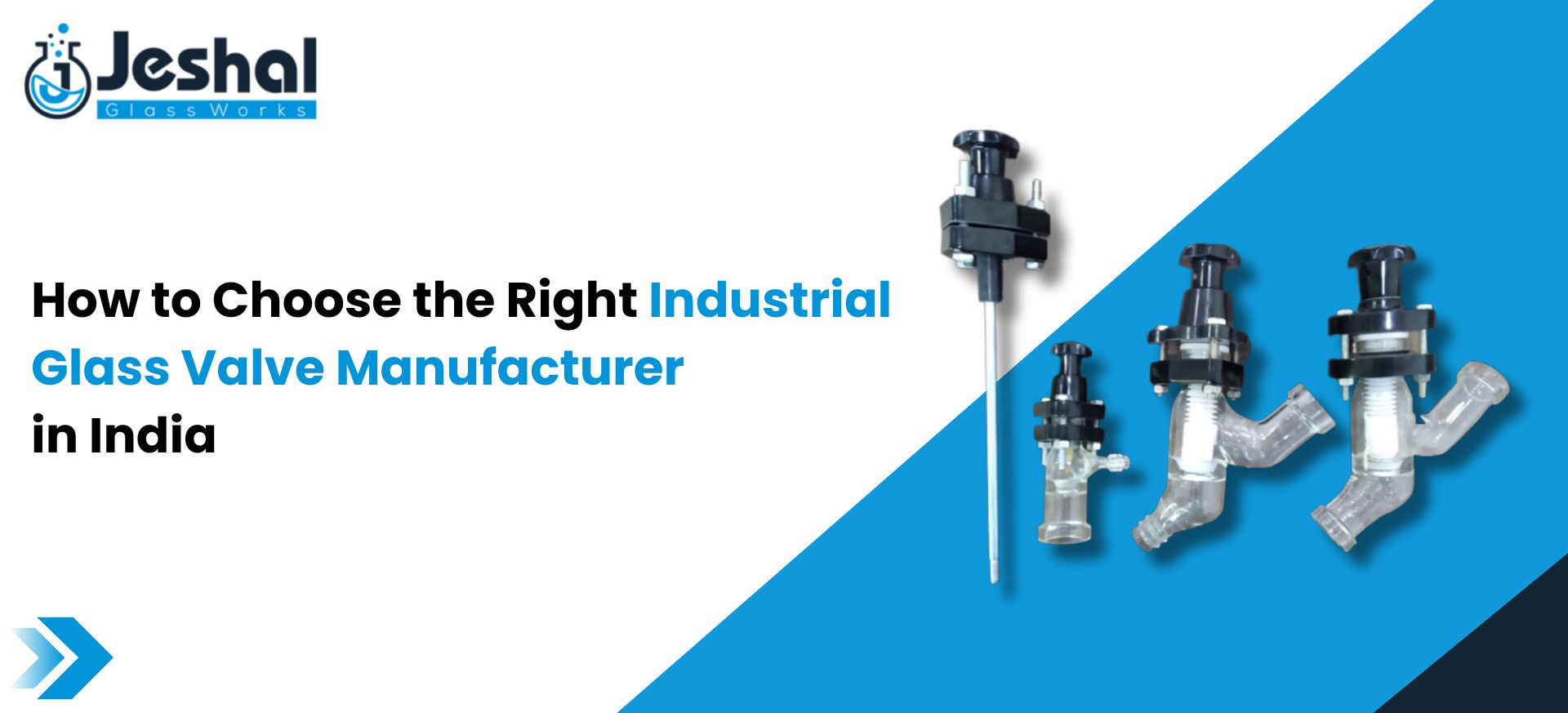
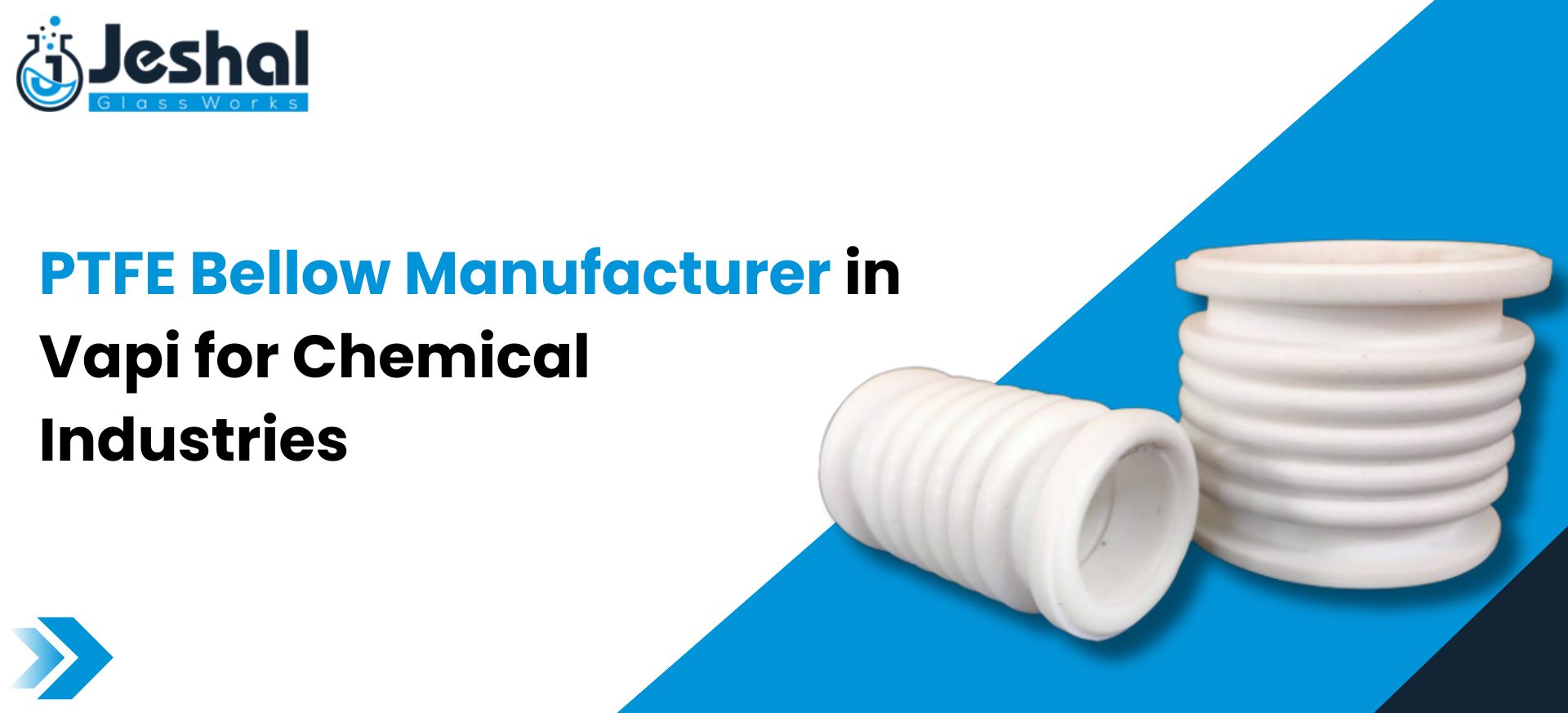
Its product categories include Laboratory Glassware, Round Bottom Flasks, Glass Pilot Plant Assembly, Industrial Glass Process Systems, Distillation Assemblies, Glass Reactor Systems, Condensers, Shell & Tube Condensers, Glass Accessories Parts, and PTFE / Teflon Products.
For buyers in Gujarat, an application-focused approach can be particularly useful when laboratory glassware needs to work with larger process systems or customized equipment.
Technical consultation, customization, quality assurance, delivery coordination, installation assistance, and after-sales support are also important factors to consider when evaluating a long-term glassware manufacturing partner.
Selecting the right laboratory glassware manufacturers in Gujarat requires more than comparing product prices. Buyers should evaluate material quality, manufacturing expertise, dimensional accuracy, customization capabilities, quality inspection, application knowledge, delivery, and technical support.
For standard laboratory requirements, a reliable supplier may be sufficient. For customized glassware and integrated process applications, working with an experienced manufacturer can provide greater control over specifications and configuration.
Looking for laboratory glassware manufacturers in Gujarat? Contact Jeshal Glass Works to discuss your application, customization requirements, and request a tailored quotation.
Check material quality, manufacturing capabilities, dimensional accuracy, customization options, quality inspection, application expertise, delivery, and technical support.
Borosilicate glass is commonly selected for laboratory applications because of its useful chemical and thermal characteristics. The exact material suitability should depend on the application and process conditions.
Yes. Custom laboratory glassware can be designed around specific dimensions, connections, configurations, and equipment requirements.
Common requirements include round bottom flasks, distillation assemblies, condensers, glass reactor systems, laboratory assemblies, and customized glass accessories.
A manufacturer fabricates the products and can typically be involved directly in customization, while a supplier may source and distribute products from manufacturers. The better option depends on the complexity of the requirement.
Cost can depend on the glass material, size, design complexity, customization, dimensions, connections, quantity, and fabrication requirements.