A glass pilot plant is an important process-development solution for pharmaceutical, API, chemical, specialty chemical, and research industries. It allows manufacturers to test, optimize, and scale processes before investing in full-scale production equipment.
For companies operating in Gujarat's strong pharmaceutical and chemical manufacturing ecosystem, selecting the right glass pilot plant manufacturer in Gujarat can make a significant difference in process development, product quality, and operational efficiency.
A well-designed pilot plant provides better process visibility, flexibility, and control while helping engineers identify potential issues before commercial-scale production. Jeshal Glass Works provides customized glass pilot plant solutions designed around specific process requirements and industrial applications.
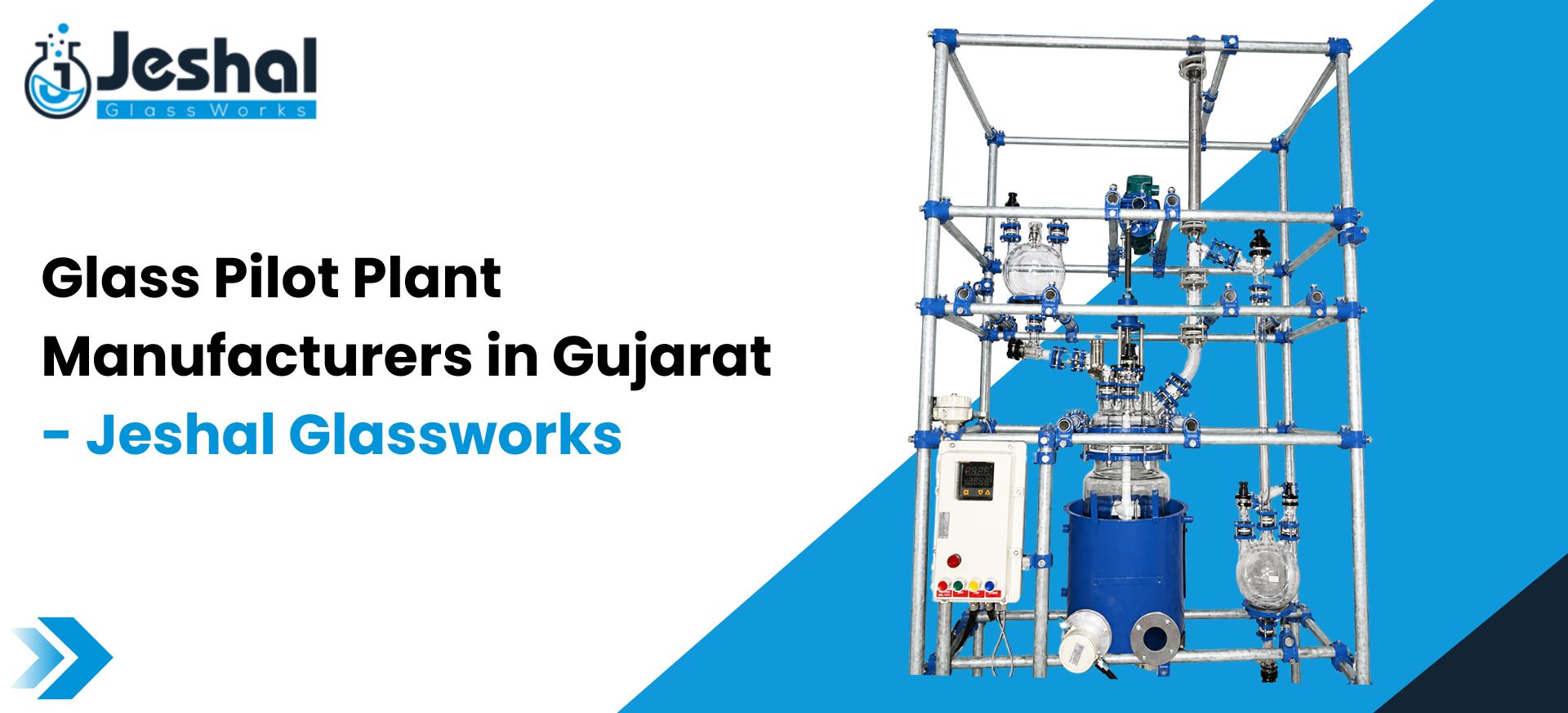
A glass pilot plant is a small- to intermediate-scale process system used to develop, test, and optimize manufacturing processes before they are transferred to larger production facilities.
Unlike a basic laboratory glassware setup, a pilot plant integrates multiple process components into a functional system. Depending on the application, it may include glass reactors, distillation assemblies, condensers, receivers, PTFE components, mechanical seals, and other glass accessories.
Glass pilot plants are particularly useful when manufacturers need to observe reactions, control process conditions, evaluate separation techniques, recover solvents, or optimize production parameters.
They help manufacturers:
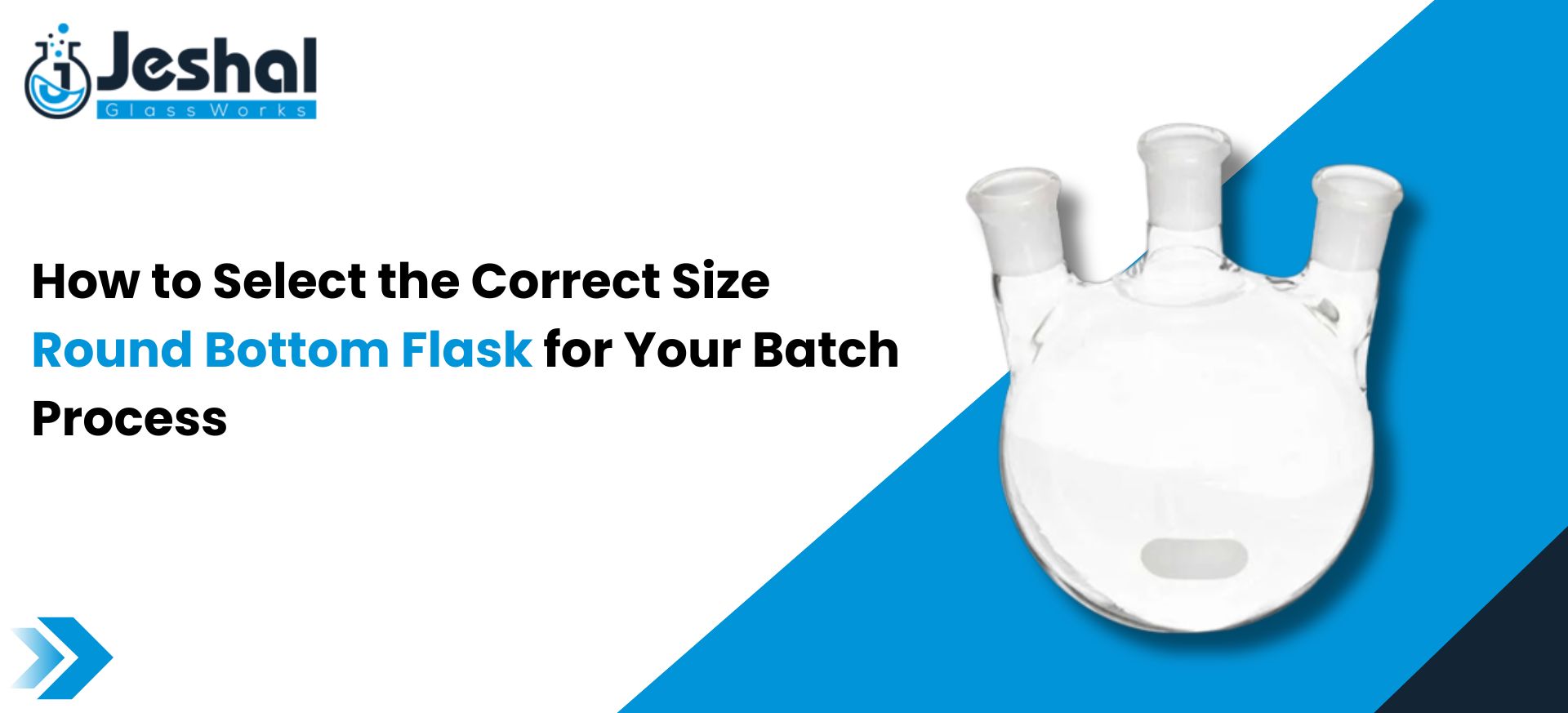
The capacity of a flask does not necessarily represent the amount of material that should be placed inside it. Selecting the appropriate flask size is important for maintaining safe and efficient batch processing.
For example, filling a flask completely can leave insufficient space for:
Therefore, the working volume should be considered separately from the flask's total capacity. A good selection should provide sufficient headspace while keeping the batch volume appropriate for the equipment and intended process.
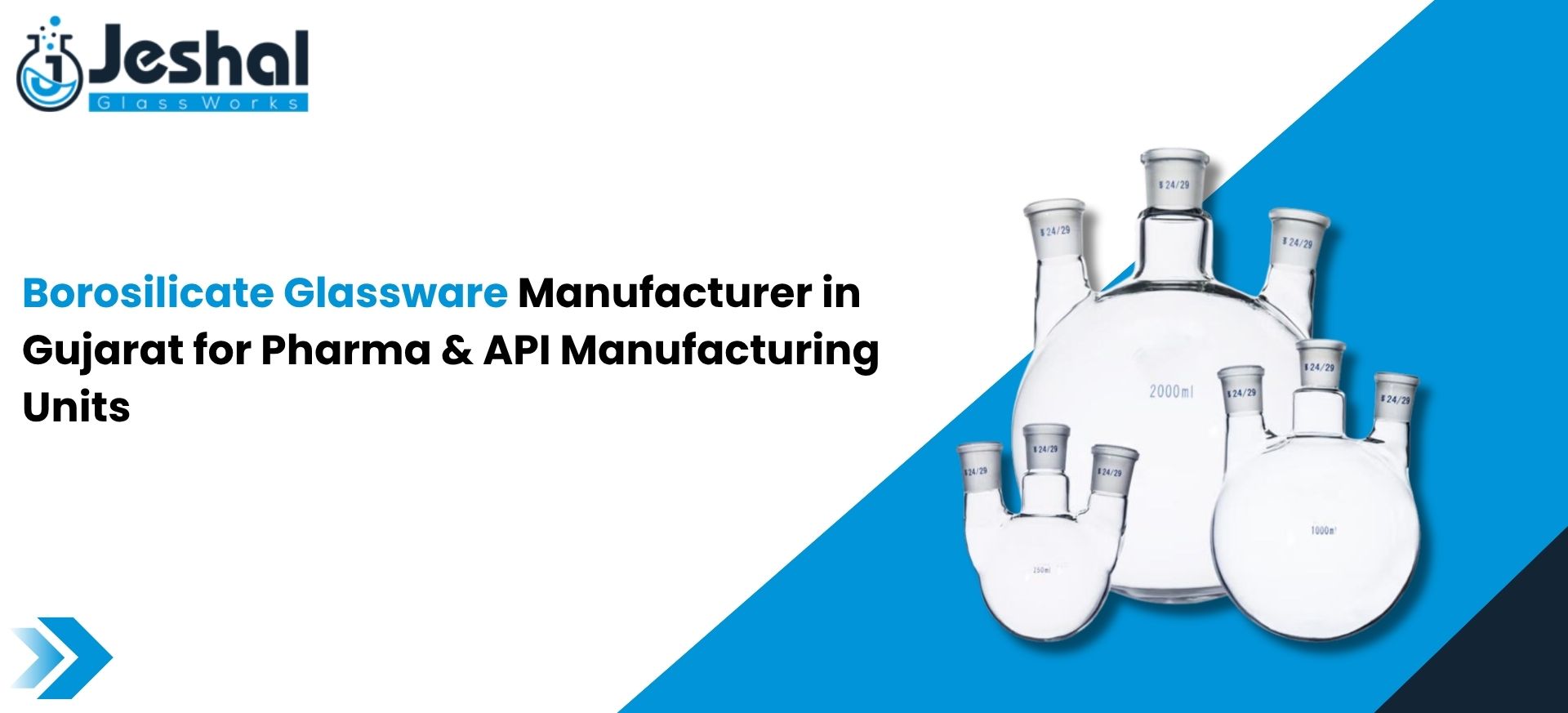
Round bottom flasks are available in different capacities to accommodate various laboratory and process requirements. Common capacities may include 50 mL, 100 mL, 250 mL, 500 mL, 1 L, 2 L, 3 L, 5 L, and larger sizes.
The appropriate size depends on the actual batch volume and process conditions rather than the batch quantity alone.
For example, a small R&D experiment may require a 100 mL or 250 mL flask, while larger process-development work may require a multi-litre vessel.
For specialized applications, the required capacity, neck configuration, connection type, and dimensions should be discussed with the manufacturer to ensure the flask is suitable for the intended process.
A pilot plant configuration depends on the process, capacity, and operating conditions. Common components include:
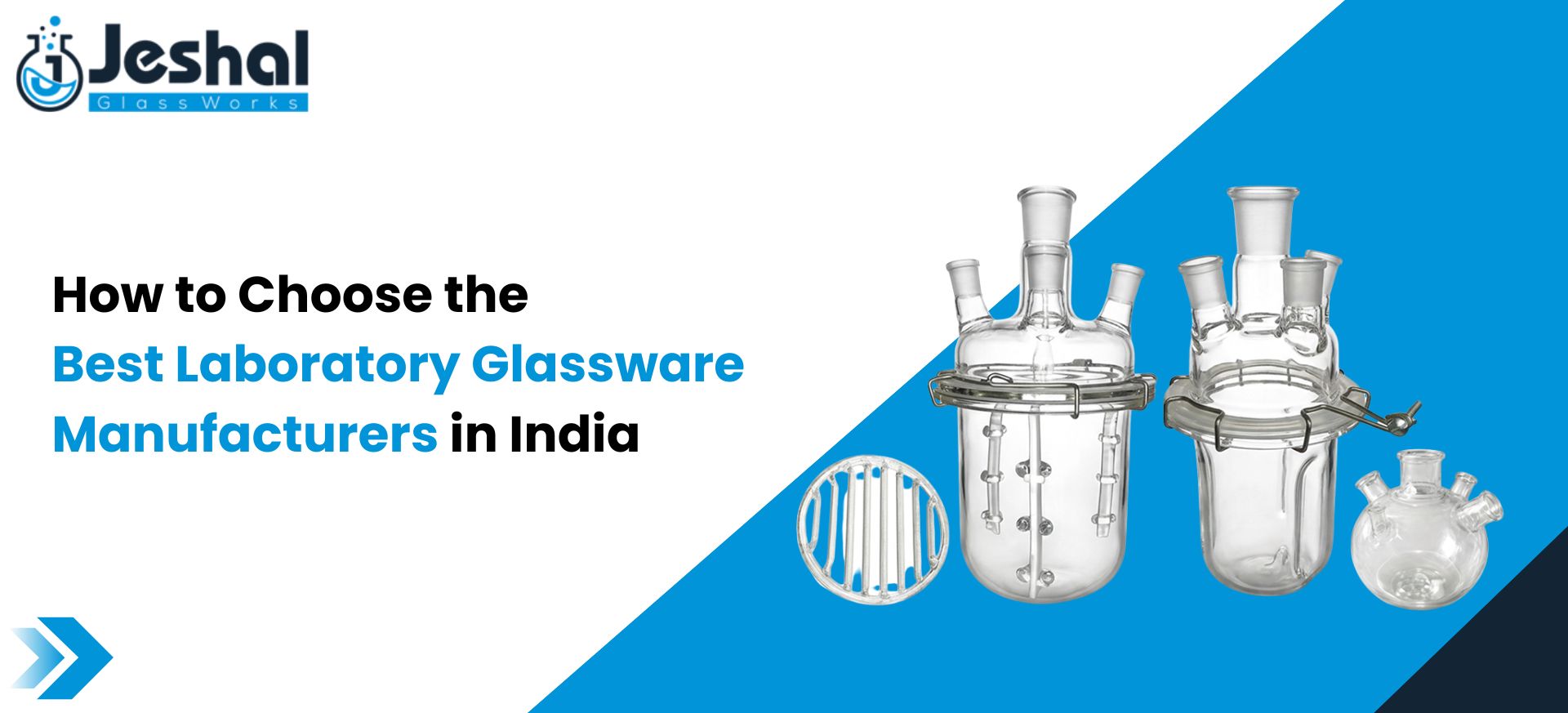
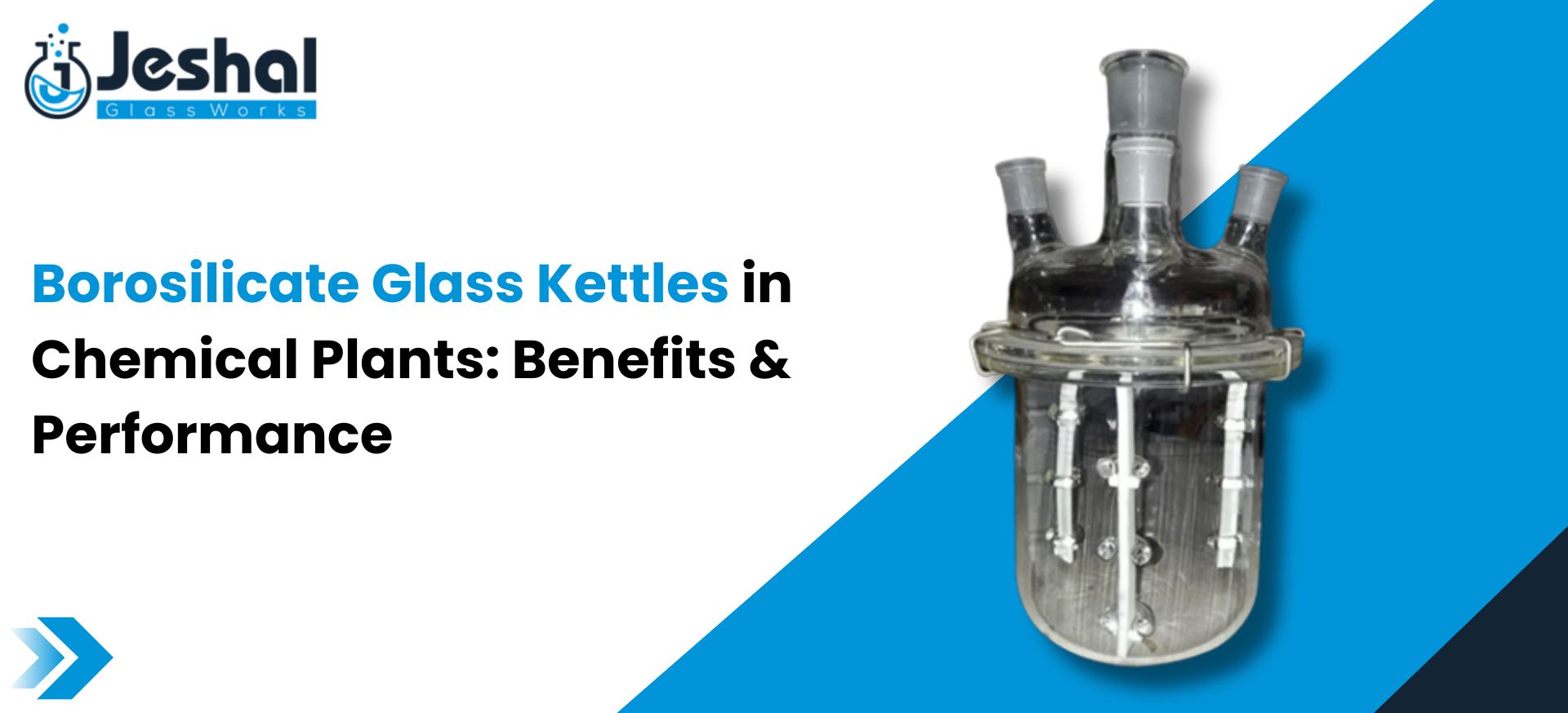
Glass reactors provide a controlled environment for chemical reactions, mixing, heating, and cooling. They are widely used in pharmaceutical, API, and chemical process development.
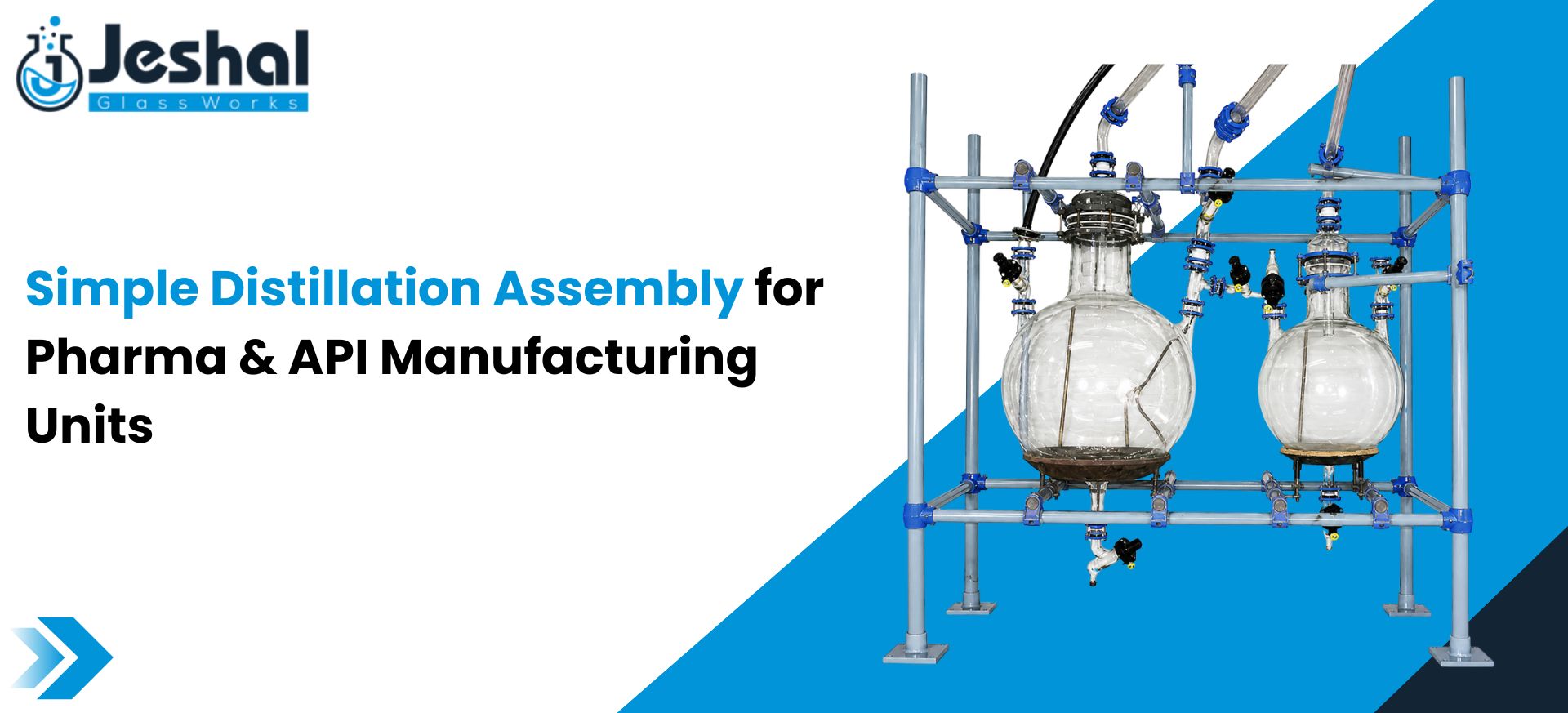
Distillation assemblies can be used for separation, purification, and solvent recovery during pilot-scale operations.
Condensers cool vapors and convert them back into liquids. They are essential for distillation and solvent recovery processes.
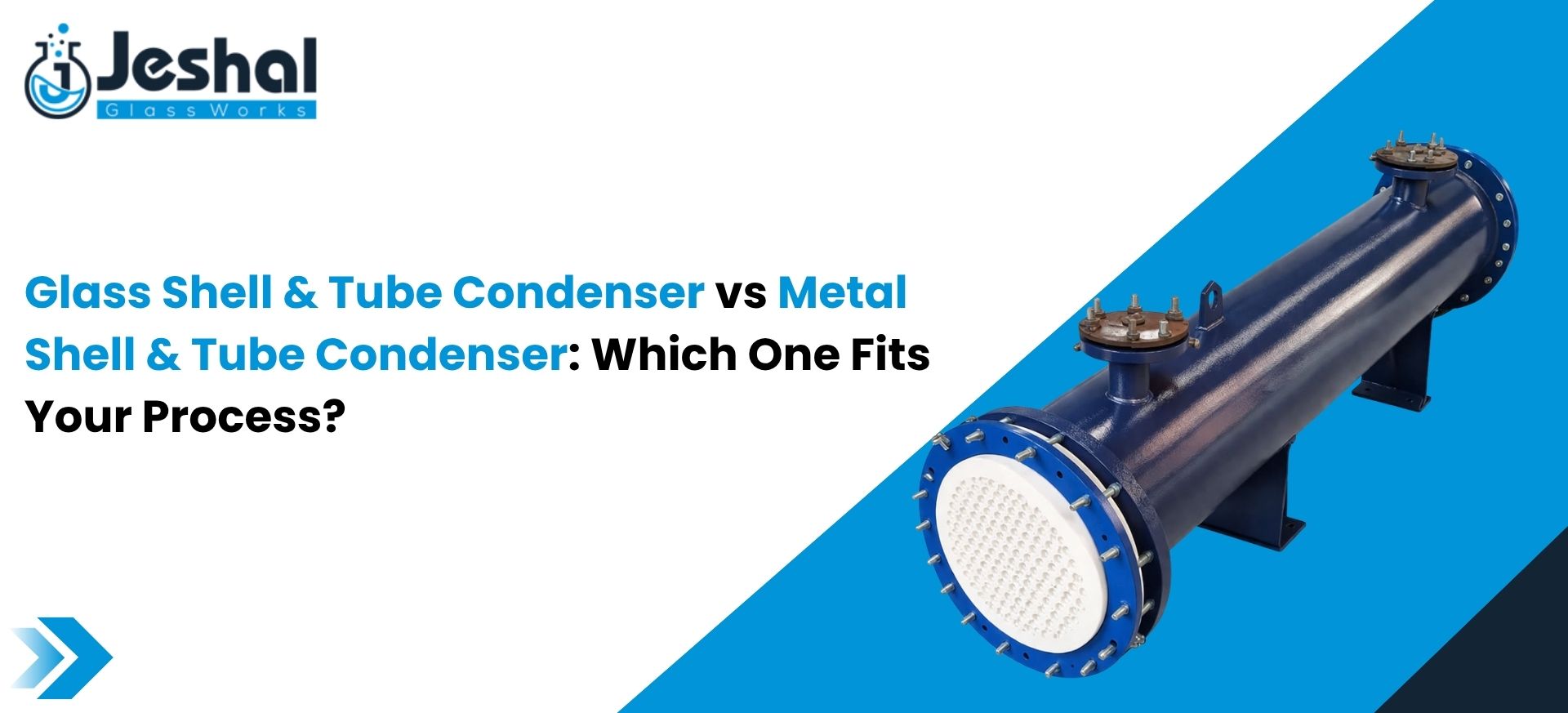
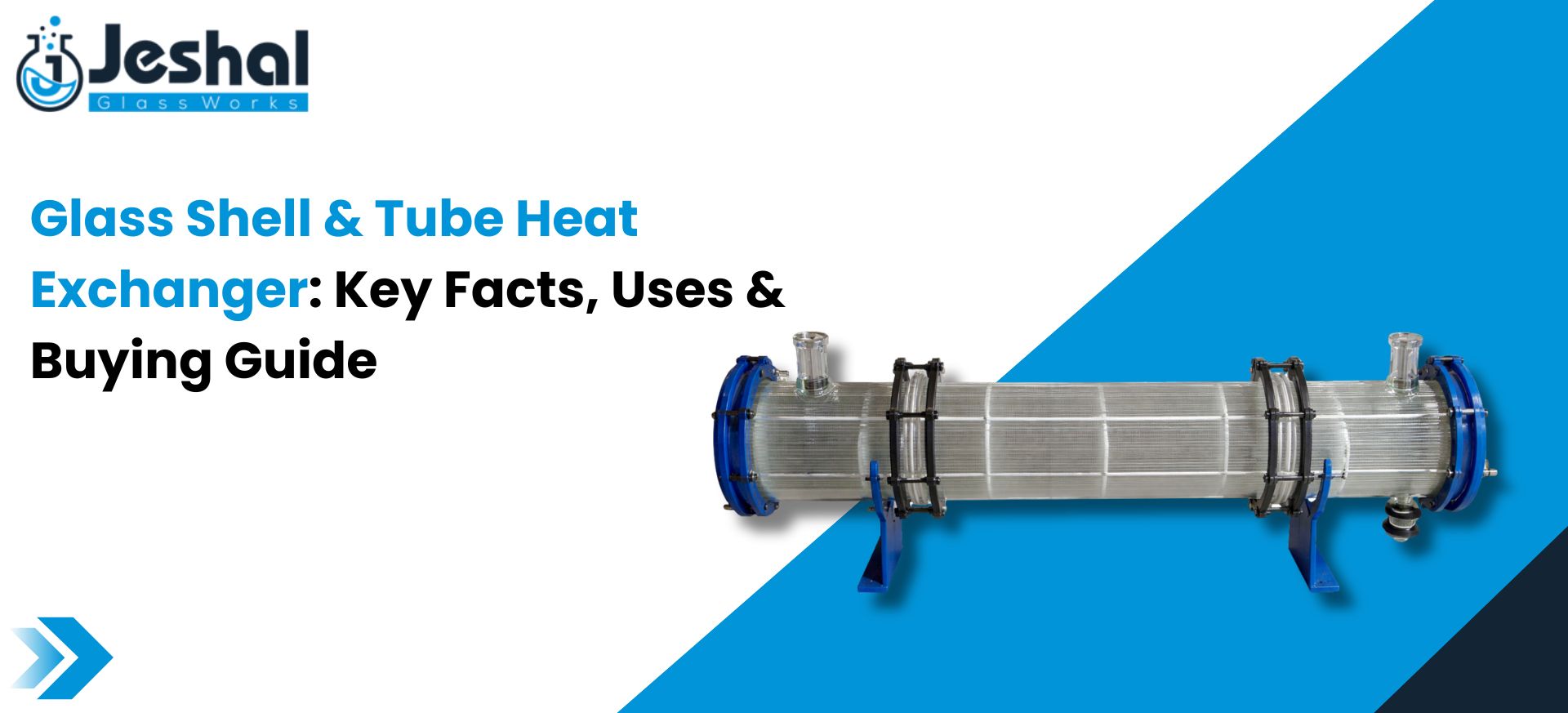
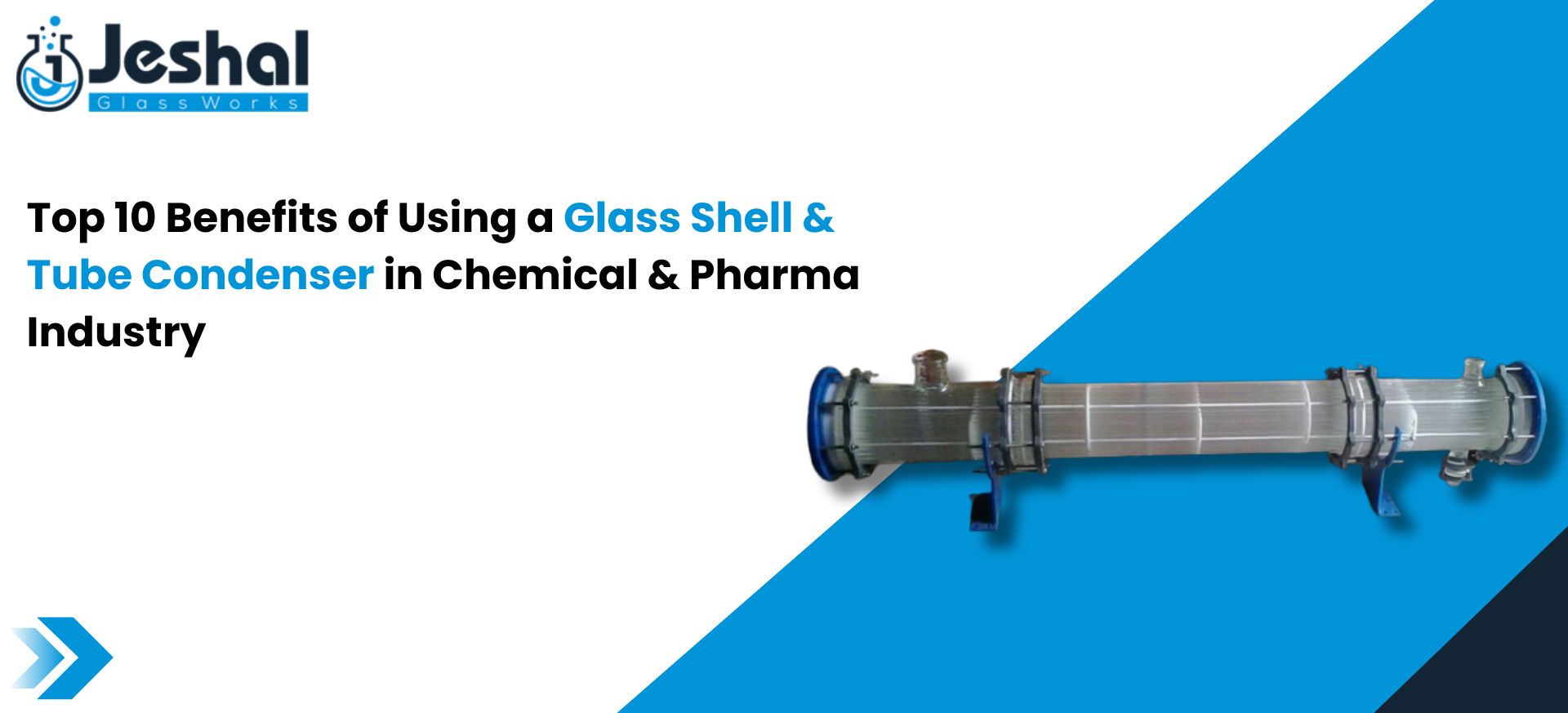
Shell & tube condensers can be incorporated where efficient heat exchange is required for industrial process applications.
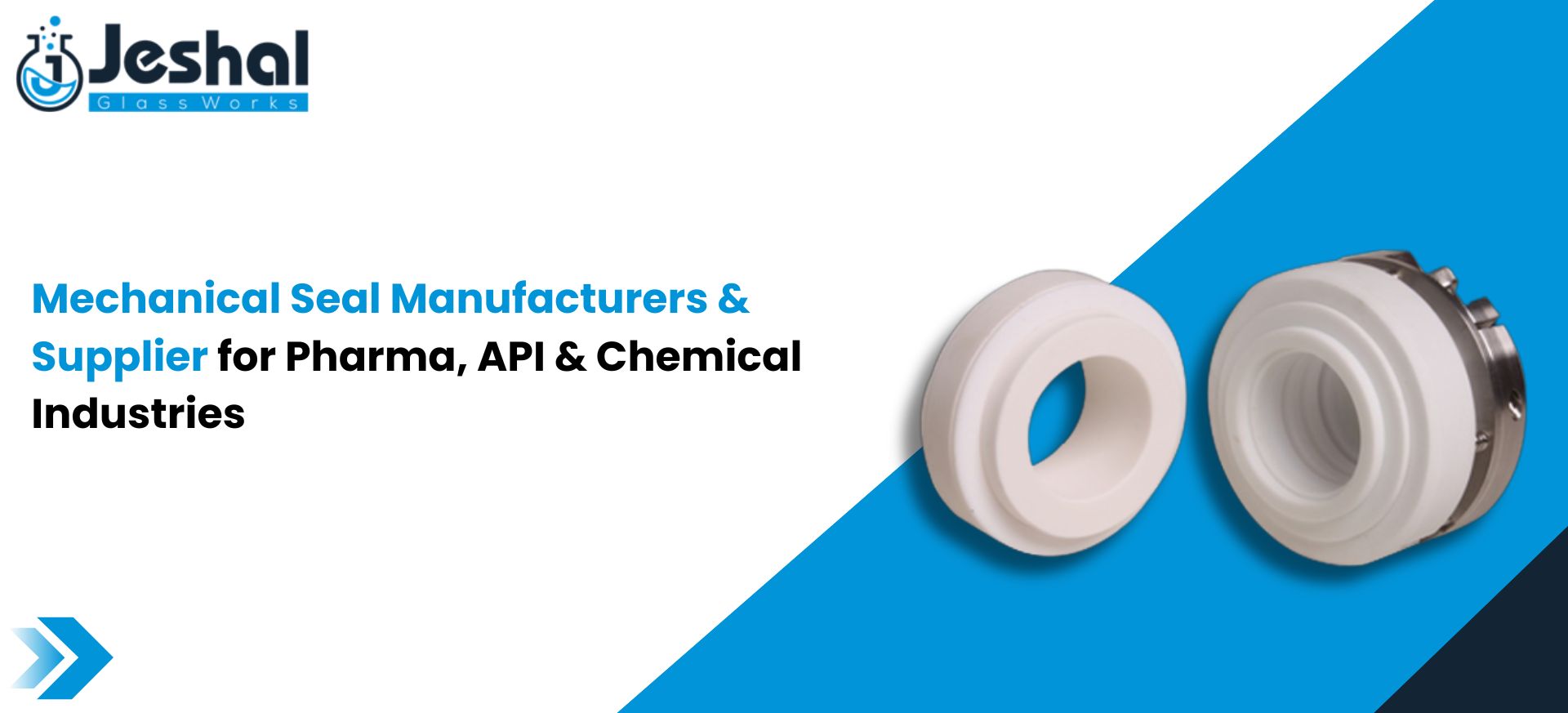
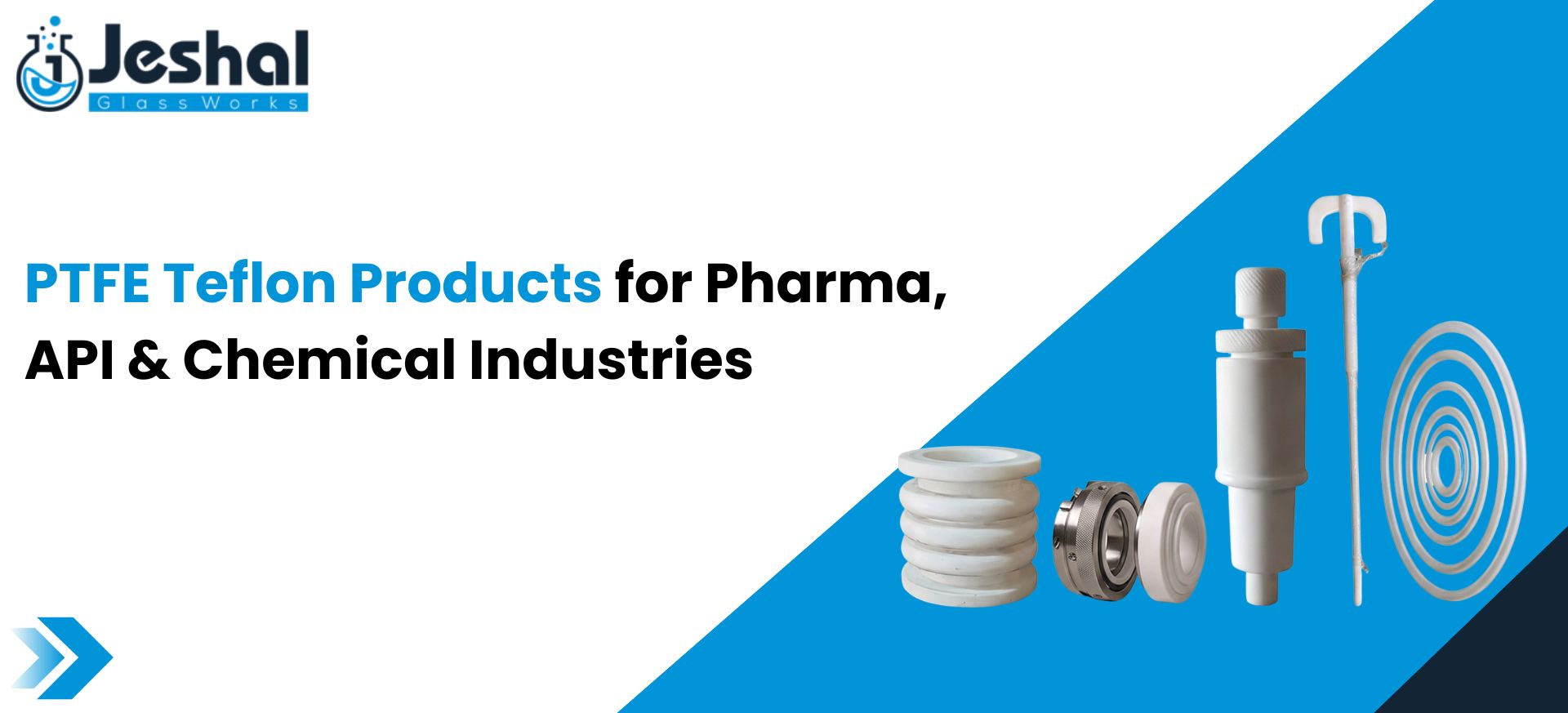
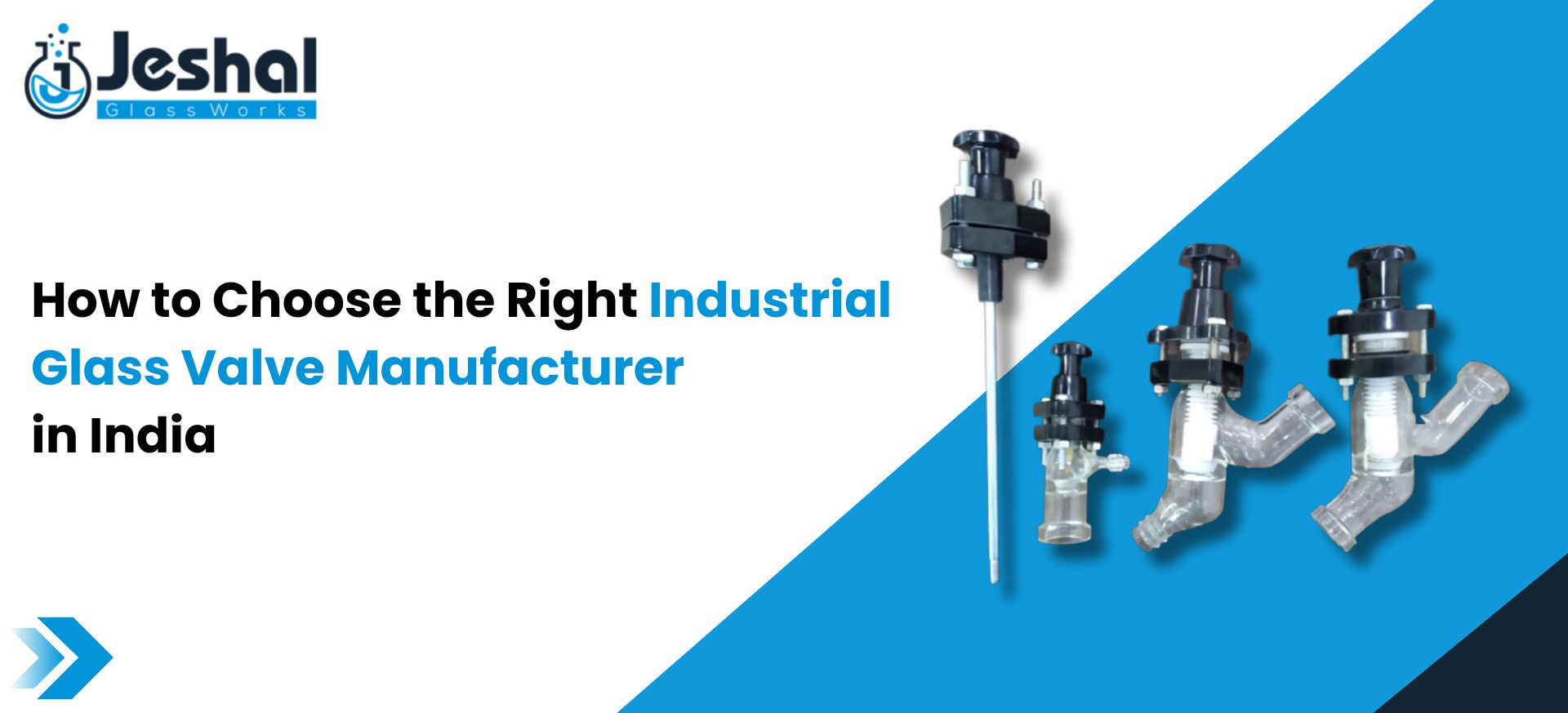
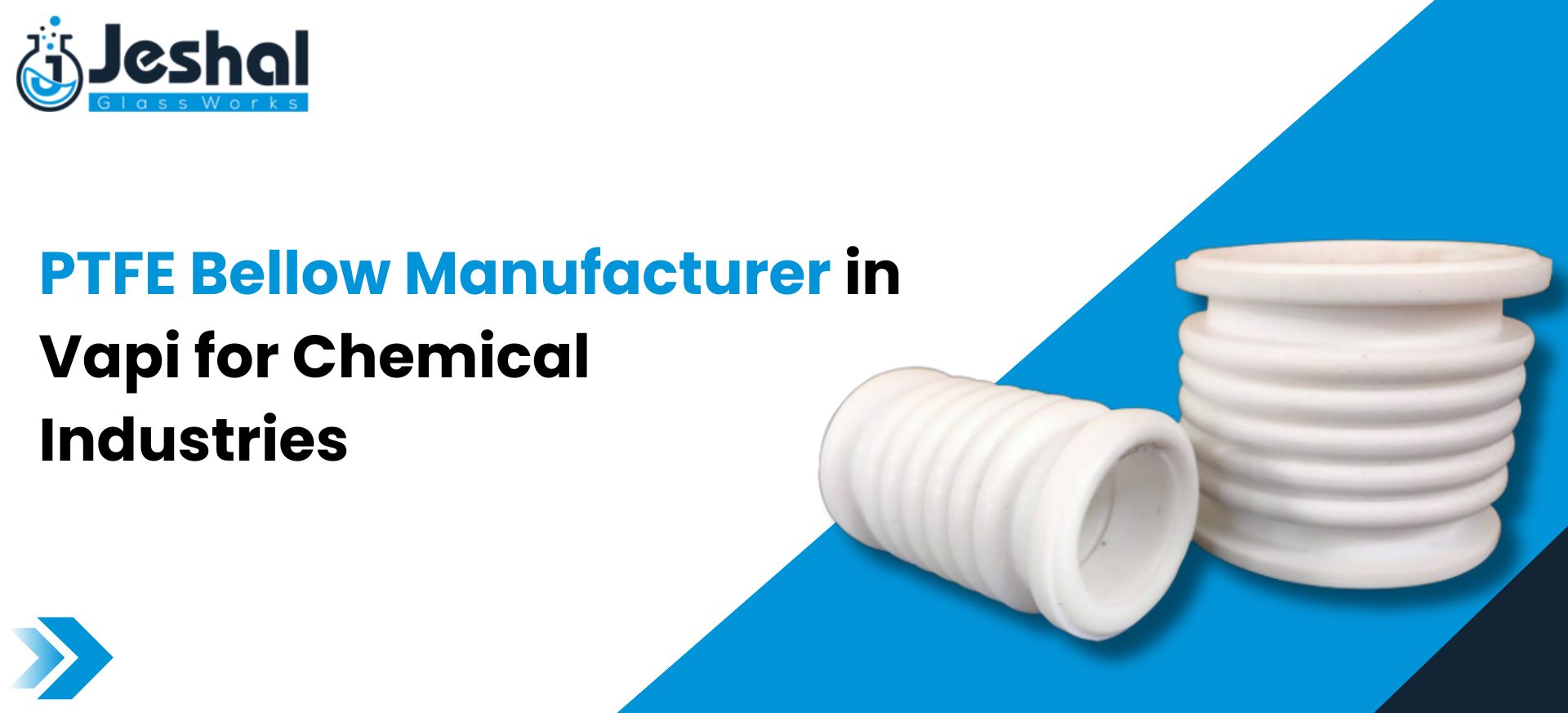
PTFE/Teflon products such as PTFE bellows, PTFE rings, mechanical seals, Teflon lab seals, and PTFE stirrer guides can provide chemical-resistant sealing and support within process systems.
Specialized glass accessories and connecting components help create an integrated pilot plant according to the process layout.
A practical selection checklist includes:
| Factor | Why It Matters |
|---|---|
| Batch volume | Determines the basic capacity requirement |
| Headspace | Provides room for expansion, vapor, and foaming |
| Heating | Determines compatibility with heating equipment |
| Mixing | Influences flask geometry and neck configuration |
| Distillation | Requires appropriate vapor space and connections |
| Neck size | Ensures compatibility with accessories |
| Joint type | Allows proper connection to other glassware |
| Material | Determines chemical and thermal compatibility |
| Process conditions | Helps determine the appropriate design |
| Customization | Useful for specialized applications |
Round bottom flasks are used across pharmaceutical and chemical environments for activities such as synthesis, evaporation, concentration, distillation, sample preparation, and process development.
In API and pharmaceutical applications, material compatibility and cleanliness are particularly important. Chemical processing may also involve solvents or corrosive substances, making the choice of glass and compatible components important.
For specialized applications, manufacturers may require customized dimensions, neck arrangements, joints, or other connections.
Borosilicate glass is widely used for laboratory and process glassware because it combines useful chemical resistance with good thermal performance.
Its transparency is another important advantage. Operators can observe the material inside the flask, which can help during heating, mixing, reaction, and distillation processes.
For pharma, chemical, and R&D applications, selecting appropriately manufactured borosilicate glassware can support reliable and repeatable process handling.
Some common mistakes include:
The best approach is to evaluate the flask as part of the complete process setup rather than considering the flask capacity alone.
Jeshal Glass Works provides laboratory and industrial glassware solutions for pharmaceutical, API, chemical, specialty chemical, and R&D applications.
Our product range includes Round Bottom Flasks, Laboratory Glassware, Glass Pilot Plant Assembly, Industrial Glass Process Systems, Distillation Assemblies, Condensers, Glass Accessories Parts, and PTFE / Teflon Products.
For specialized applications, requirements such as flask capacity, neck configuration, connections, and process compatibility can be discussed before manufacturing or supply.
The right glassware selection should always be based on the actual process rather than capacity alone. This application-focused approach can help customers select equipment that integrates properly with their existing setup.
Selecting the correct round bottom flask size requires more than knowing the batch volume. Working capacity, headspace, heating, mixing, distillation, neck configuration, joint compatibility, and process conditions all influence the right choice.
For pharmaceutical, API, chemical, and R&D applications, choosing suitable borosilicate glassware can support efficient and controlled processing.
Need help selecting the right round bottom flask for your batch process? Contact Jeshal Glass Works for application-specific guidance and a customized quotation.
A round bottom flask is commonly used for chemical reactions, heating, mixing, evaporation, distillation, concentration, and other laboratory or process applications.
Consider your batch volume, required headspace, heating method, mixing requirements, distillation needs, neck size, joint configuration, and connected equipment.
Common laboratory capacities include 50 mL, 100 mL, 250 mL, 500 mL, 1 L, 2 L, 3 L, and 5 L, with larger sizes available for specialized applications.
Borosilicate glass offers good chemical resistance, thermal performance, transparency, and suitability for many laboratory and industrial applications.
Yes. Depending on the application, manufacturers can provide customized capacities, neck configurations, joints, connections, and other specifications.
The appropriate size depends on the batch volume and process conditions. The flask should generally provide sufficient working capacity and headspace rather than being filled to its total rated capacity.
A round bottom flask is designed primarily for applications involving uniform heating and is commonly used with heating equipment or supports. A flat bottom flask can stand on a flat surface and may be more convenient for certain laboratory applications.