Choosing the right laboratory glassware manufacturers in Gujarat is an important decision for pharmaceutical, API, chemical, specialty chemical, agrochemical, and research laboratories. Laboratory glassware is not simply a collection of vessels and components—it often becomes part of testing, process development, chemical handling, and laboratory workflows.
The right manufacturer should therefore offer more than standard products. Buyers should evaluate material quality, fabrication capabilities, dimensional accuracy, customization options, application knowledge, quality control, delivery, and technical support before placing an order.
This guide explains the key factors buyers should check when selecting a laboratory glassware manufacturer or lab glassware supplier in Gujarat.
Borosilicate glassware is glassware manufactured using borosilicate glass, a material commonly selected for laboratory and industrial applications because of its useful chemical and thermal characteristics.
It is used across laboratories and process environments where glass components may come into contact with chemicals or experience temperature changes. Depending on the application, borosilicate glass can be fabricated into vessels, flasks, condensers, assemblies, and other process components.
The actual suitability of the glass should always be evaluated according to the chemicals, temperature, pressure or vacuum conditions, dimensions, and process configuration involved.
Pharmaceutical and API manufacturing processes often require equipment that can handle demanding operating conditions while allowing the process to be observed where appropriate.
Borosilicate glassware is commonly considered for these applications because it offers useful chemical and thermal characteristics. Its transparency can also make it practical for processes where visual observation of the contents or operation is beneficial.
Typical requirements may include:
For a specific application, the glass type and equipment configuration should be selected based on process conditions rather than simply choosing a standard size or design.
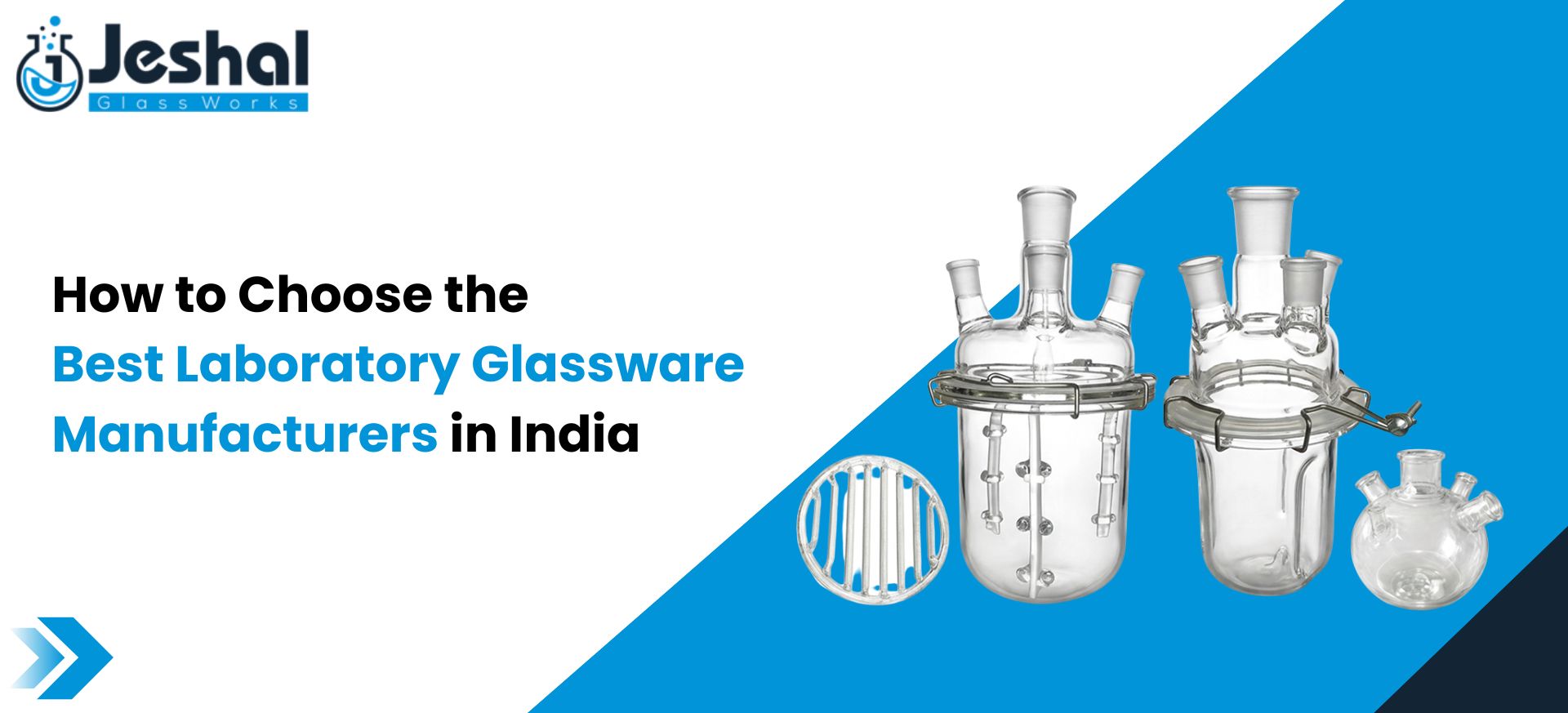
The requirements of a laboratory are often different from those of an industrial processing unit. A manufacturer may therefore need to provide different types of glassware according to capacity, connection type, dimensions, and process requirements.
Common borosilicate glassware requirements include:
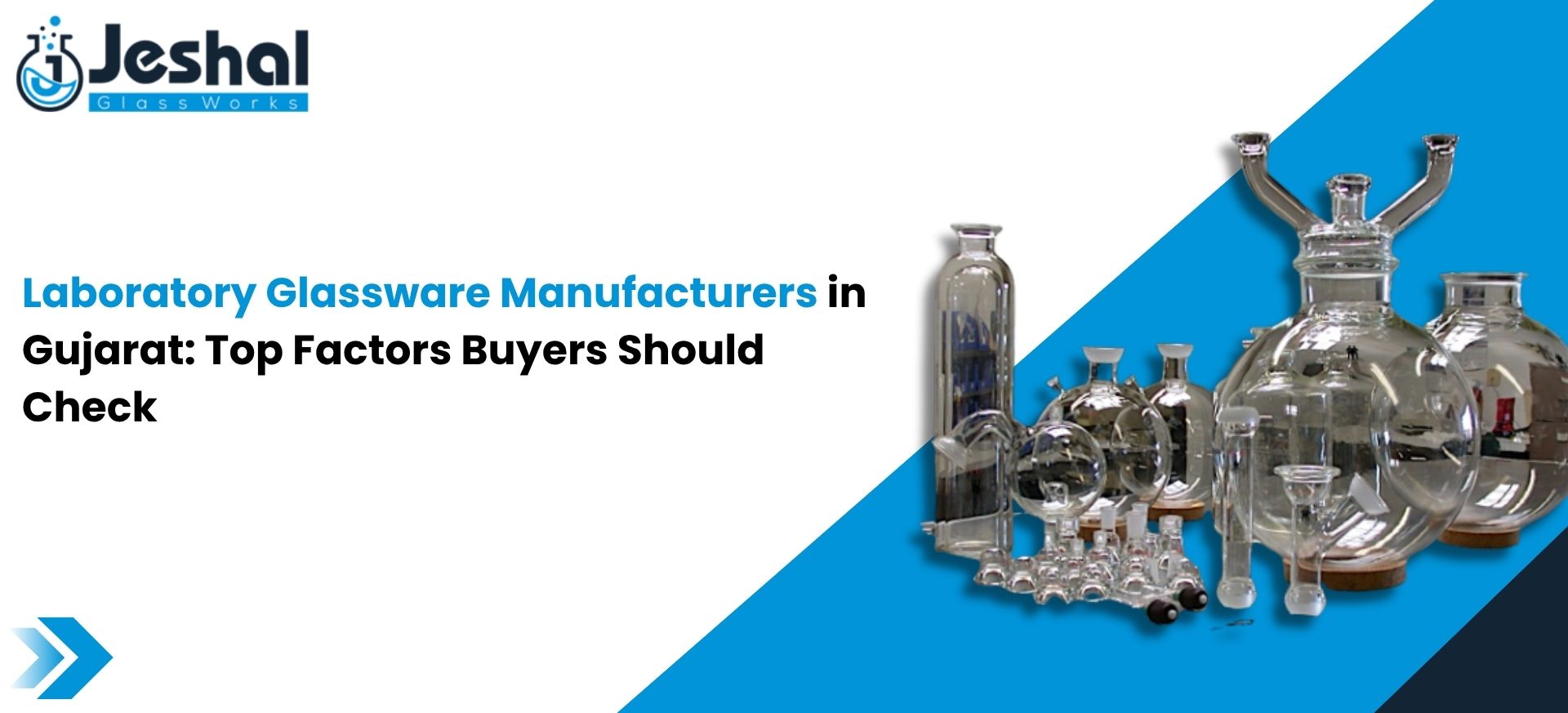
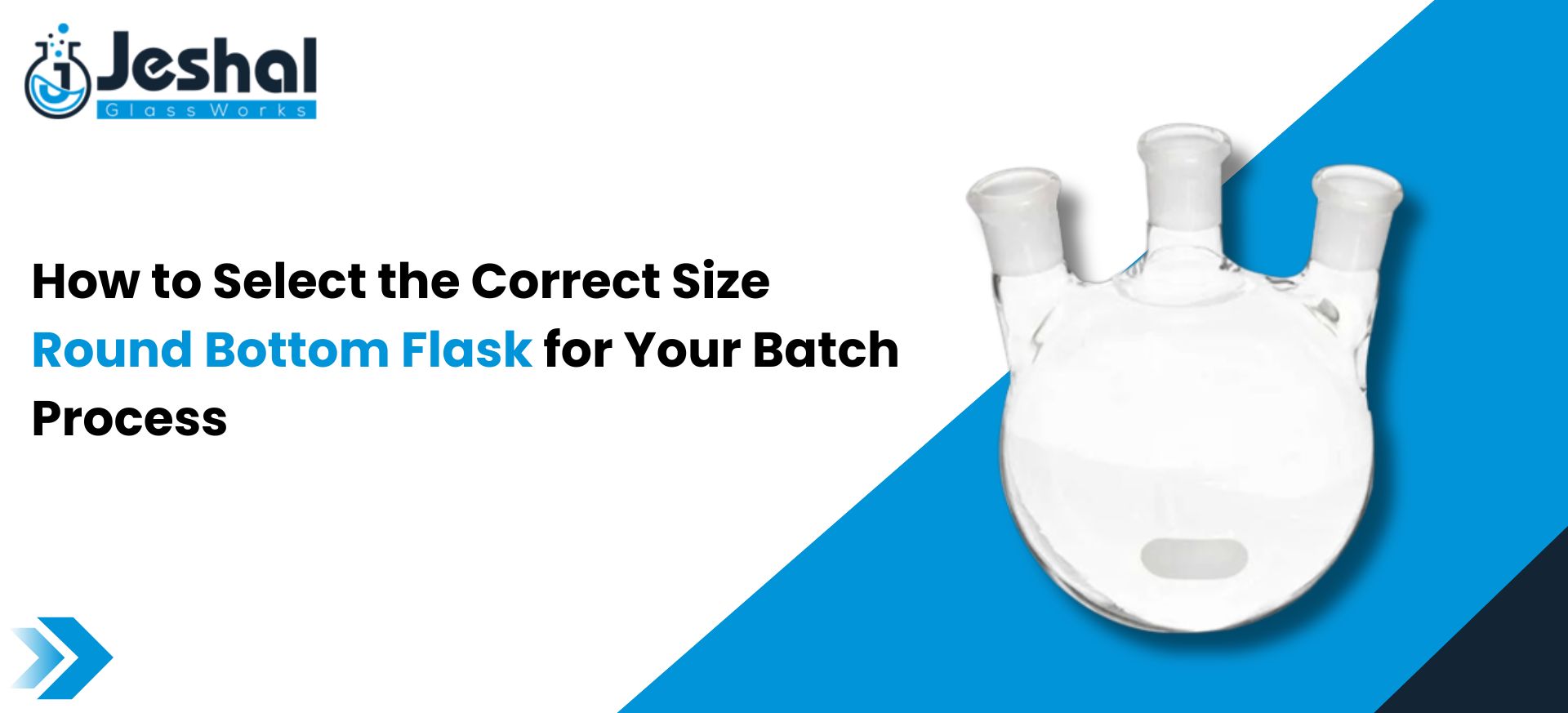
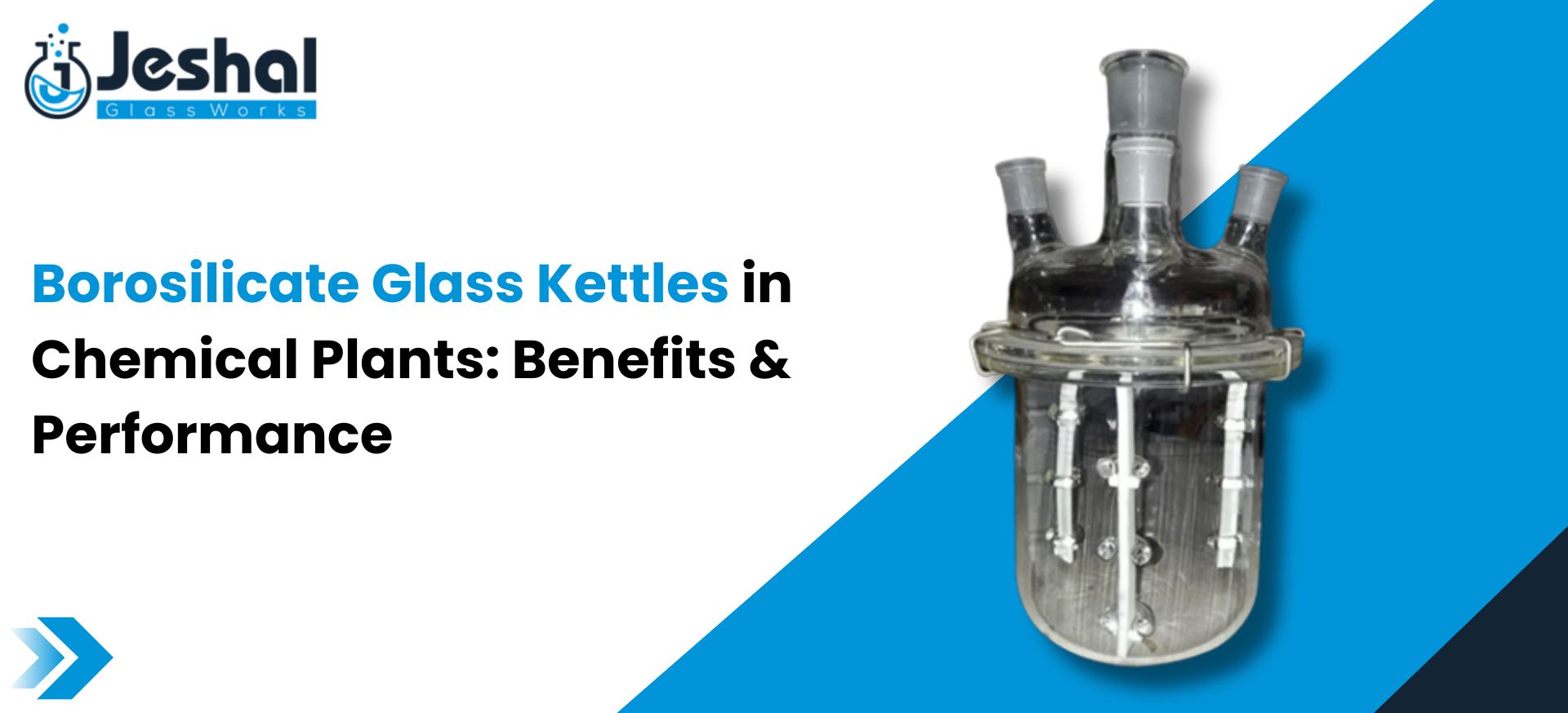
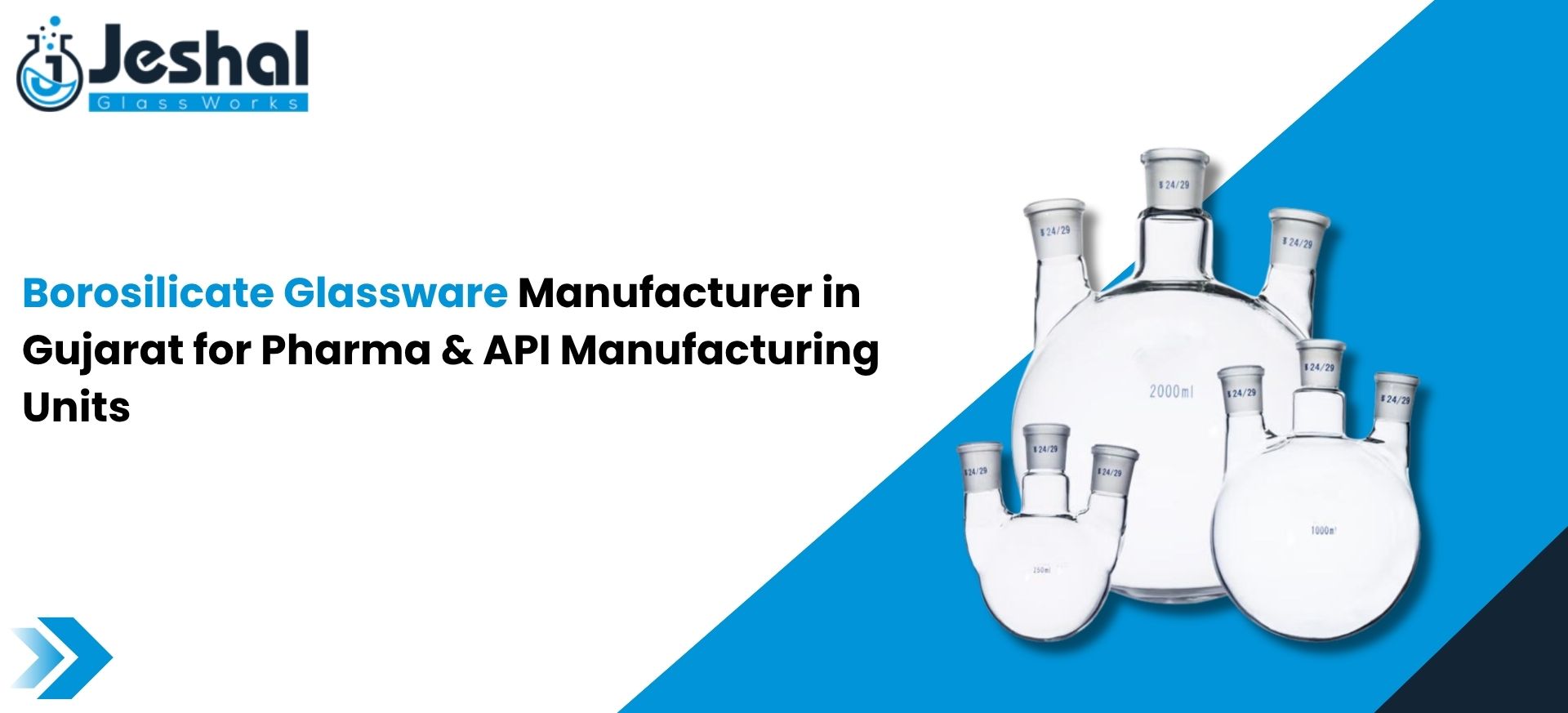
Round Bottom Flasks: Used in laboratory and process applications involving heating, mixing, reaction, evaporation, and distillation.
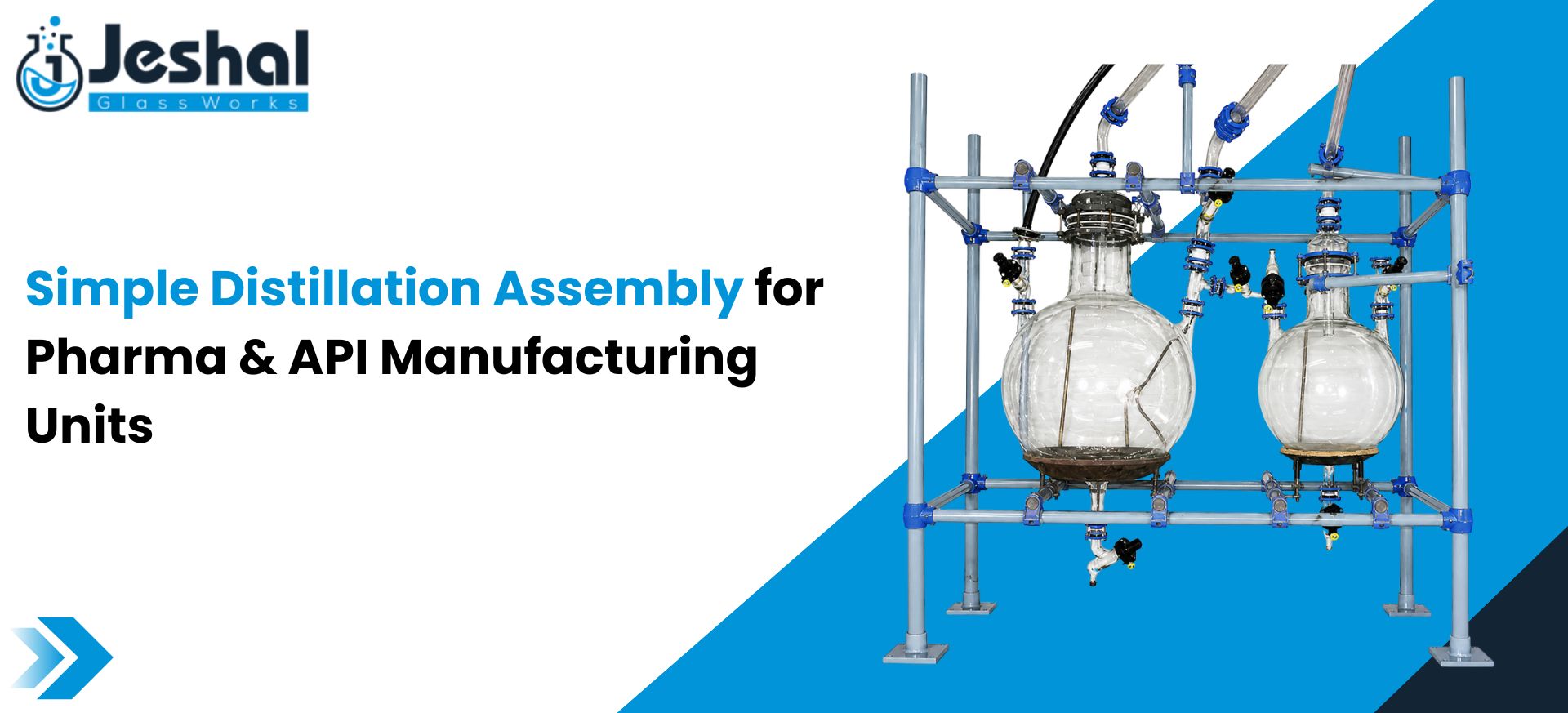
Distillation Assemblies: Designed for processes where vaporization and condensation are used to separate or recover components.
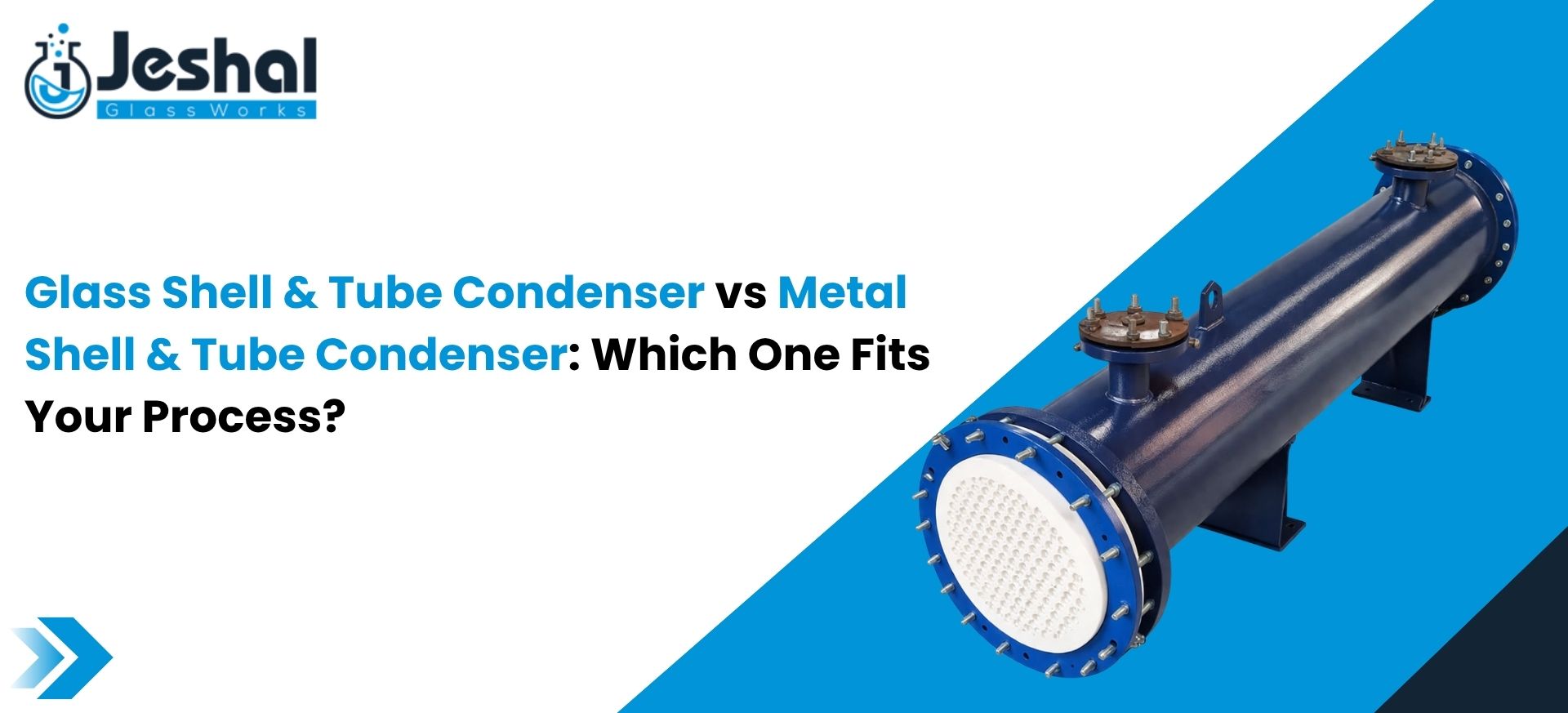
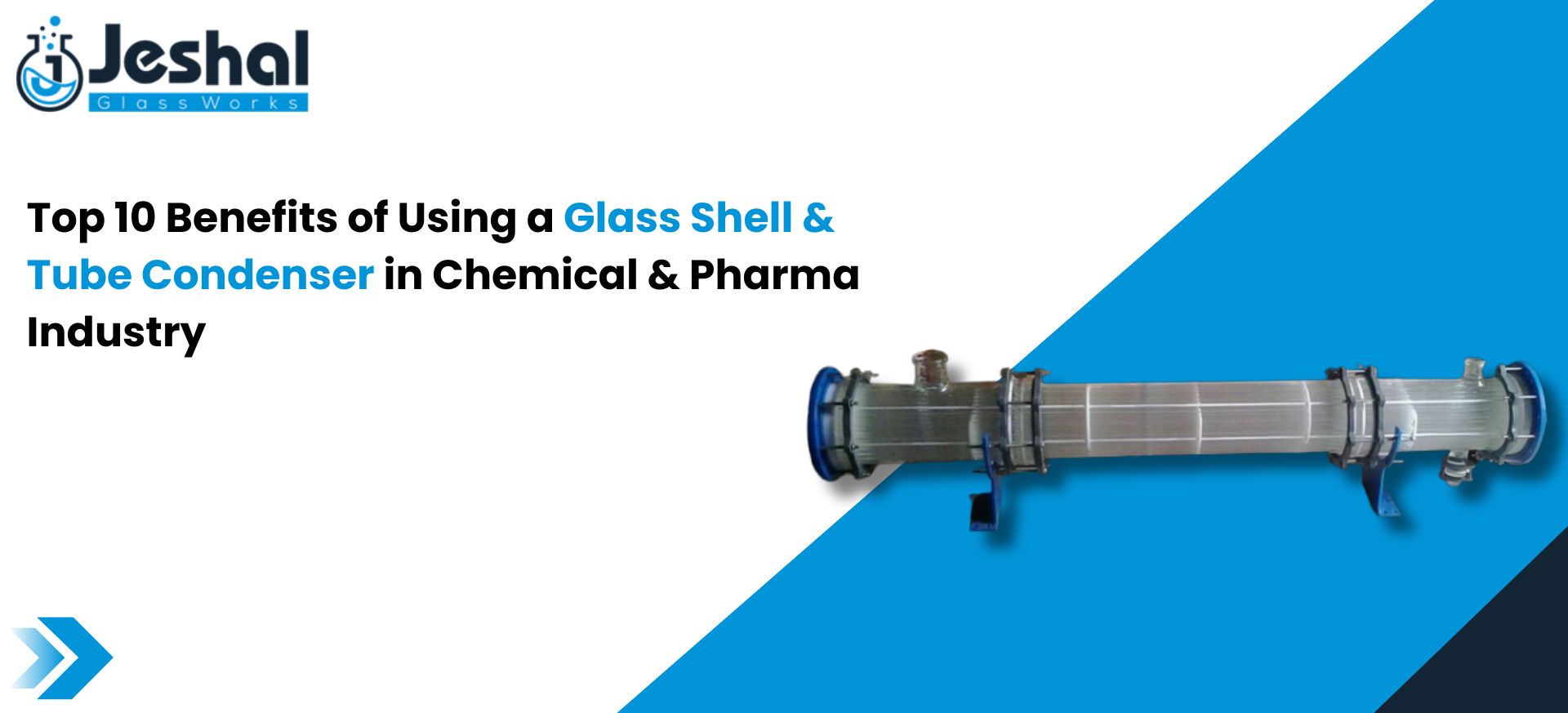
Condensers: Used to cool vapors and convert them back into liquid form during distillation, reflux, and related processes.
Glass Reactor Systems: Used for controlled chemical reactions and process development where glass construction is suitable.
Glass Accessories and Components: Customized parts can be fabricated to match existing equipment, connections, or process assemblies.
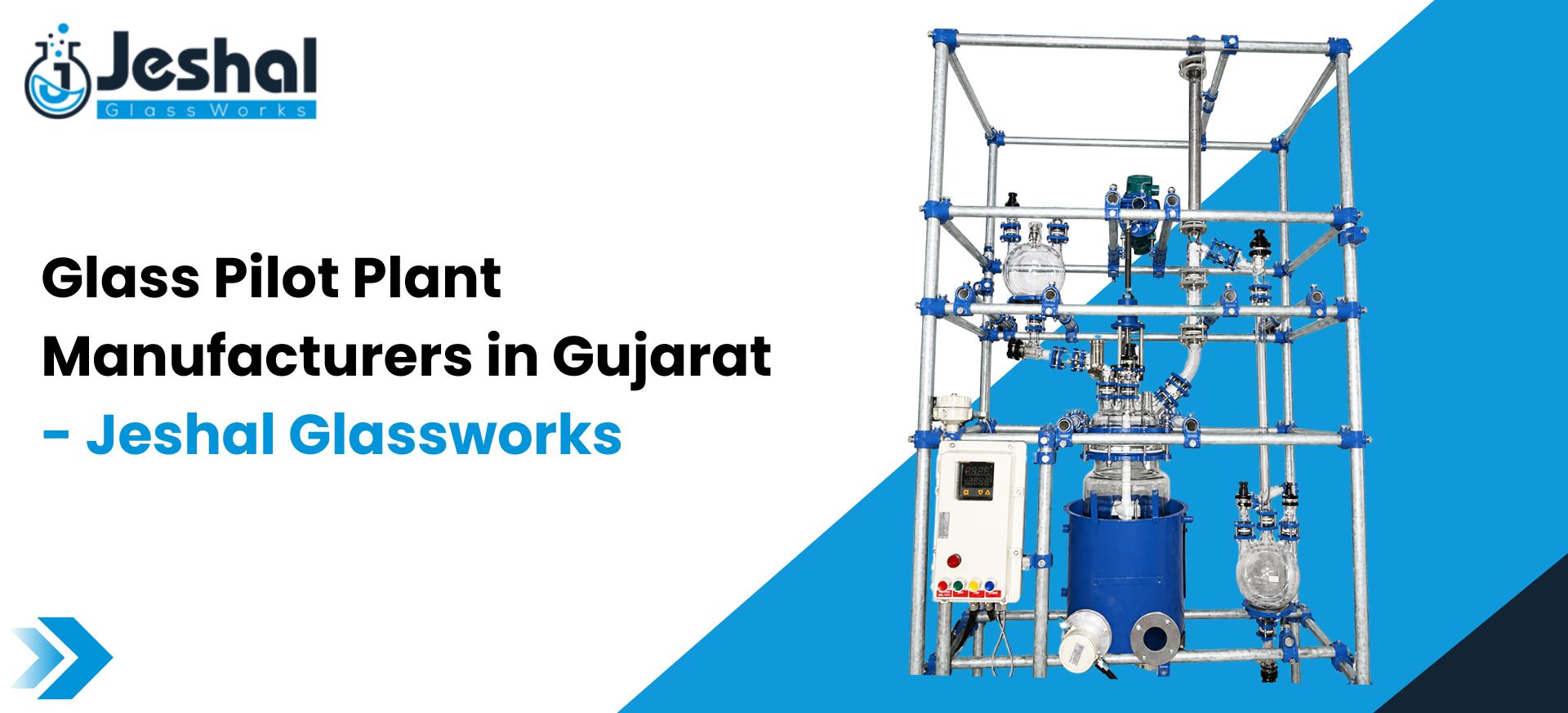
For larger or more specialized requirements, borosilicate components may also form part of a glass pilot plant assembly or industrial glass process system.
The selection of borosilicate glassware depends on the application, but several characteristics make it useful across laboratory and industrial environments.
Borosilicate glass is commonly selected for applications involving many laboratory and process chemicals. However, compatibility should be checked for the specific chemical, concentration, temperature, and exposure conditions.
Its thermal properties make borosilicate glass useful in applications involving heating and temperature changes. Process conditions should still be reviewed before selecting the material.
Transparent glass allows operators and researchers to observe the contents and process activity where the equipment design permits it.
Glass components can be fabricated according to specified dimensions, connections, configurations, and equipment requirements, making custom manufacturing useful for specialized processes.
Standard laboratory glassware may not always match the requirements of a pharma or API manufacturing unit. Differences in vessel dimensions, connections, capacity, equipment layout, or process configuration can make customized fabrication necessary.
A custom glass manufacturer in Gujarat can be particularly useful when the requirement involves specific measurements or integration with existing equipment.
Before manufacturing, important specifications may include:
Clear specifications help reduce dimensional mismatches and make integration with existing systems easier.
Borosilicate glassware can be used across several sectors where suitable glass equipment is required.
Pharma units may require laboratory glassware, reaction equipment, distillation assemblies, condensers, and customized process components for development and manufacturing-related activities.
API processes can involve chemical reactions, separation, evaporation, and solvent recovery. Depending on the process, glass assemblies can be incorporated into laboratory, pilot-scale, or process systems.
Chemical manufacturers may use borosilicate glass components for applications requiring chemical compatibility, process visibility, and suitable thermal characteristics.
Other relevant sectors include specialty chemicals, agrochemicals, fragrance and flavour processing, R&D laboratories, testing facilities, and industrial processing units.
Choosing among industrial glassware manufacturers requires more than comparing prices. Buyers should evaluate the manufacturer's ability to produce the required product accurately and consistently.
Consider these factors:
The distinction between a glassware factory, manufacturer, and distributor can also matter. Direct manufacturer involvement can be valuable when the project requires customization or technical coordination.
Jeshal Glass Works provides glassware and process equipment solutions for industrial and laboratory applications, with a focus on sectors such as pharmaceuticals, API manufacturing, chemicals, specialty chemicals, agrochemicals, fragrance and flavour, and R&D.
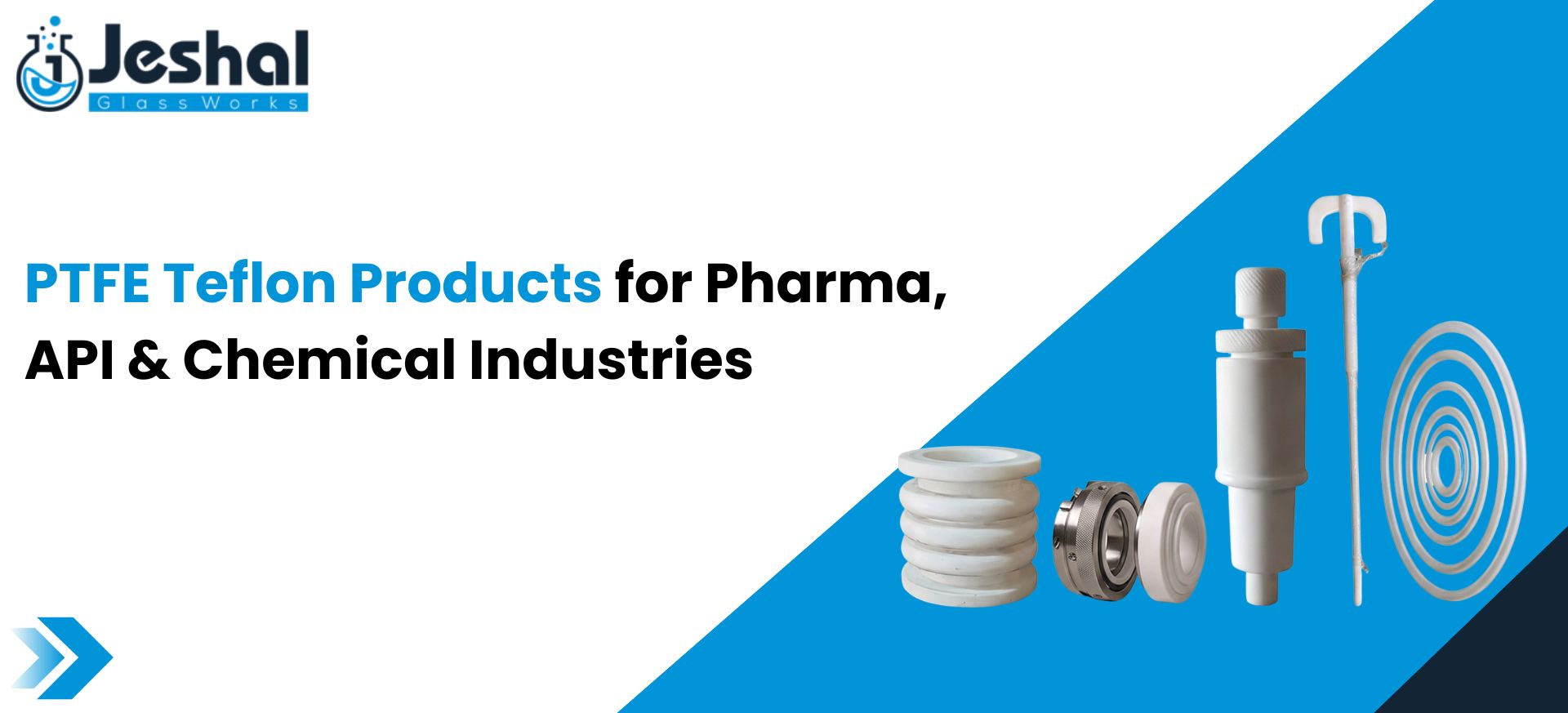
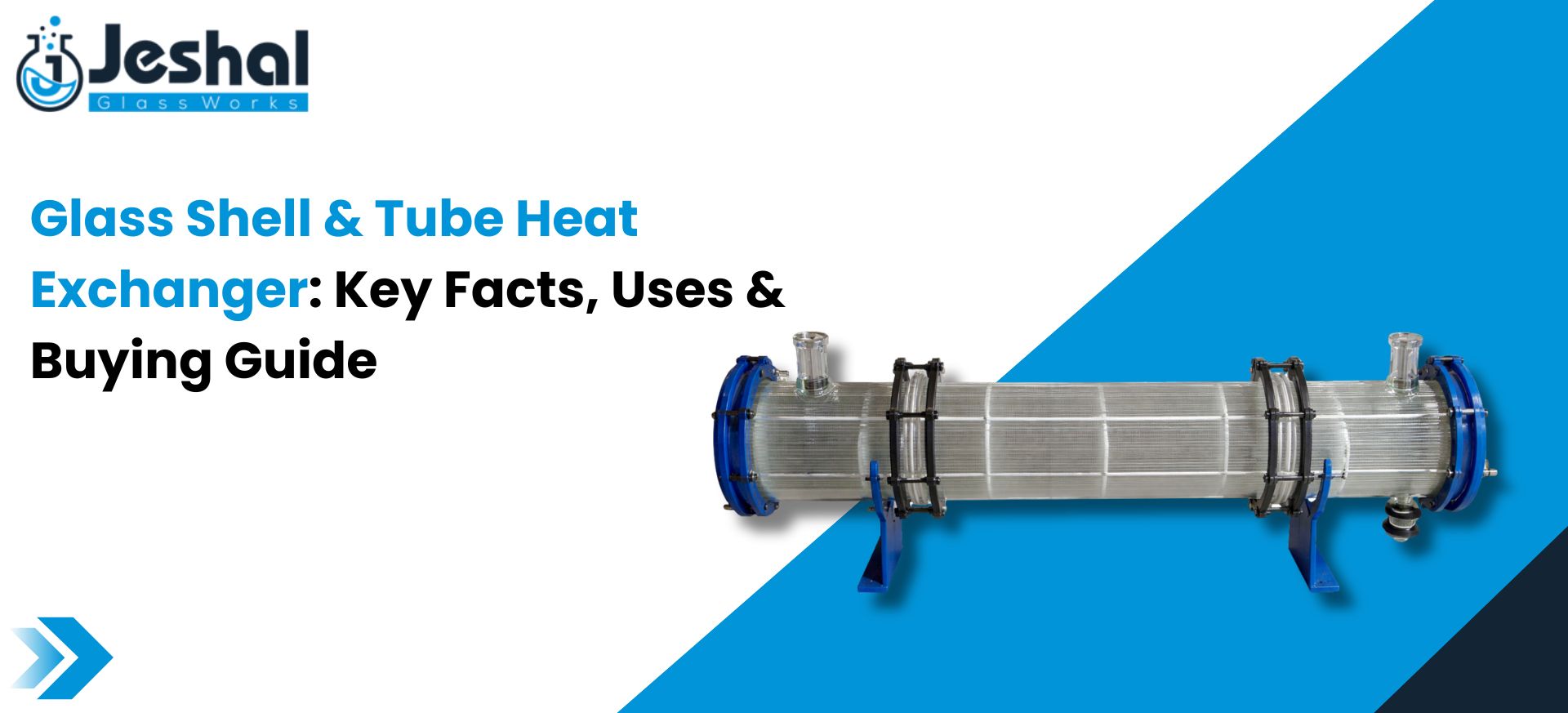
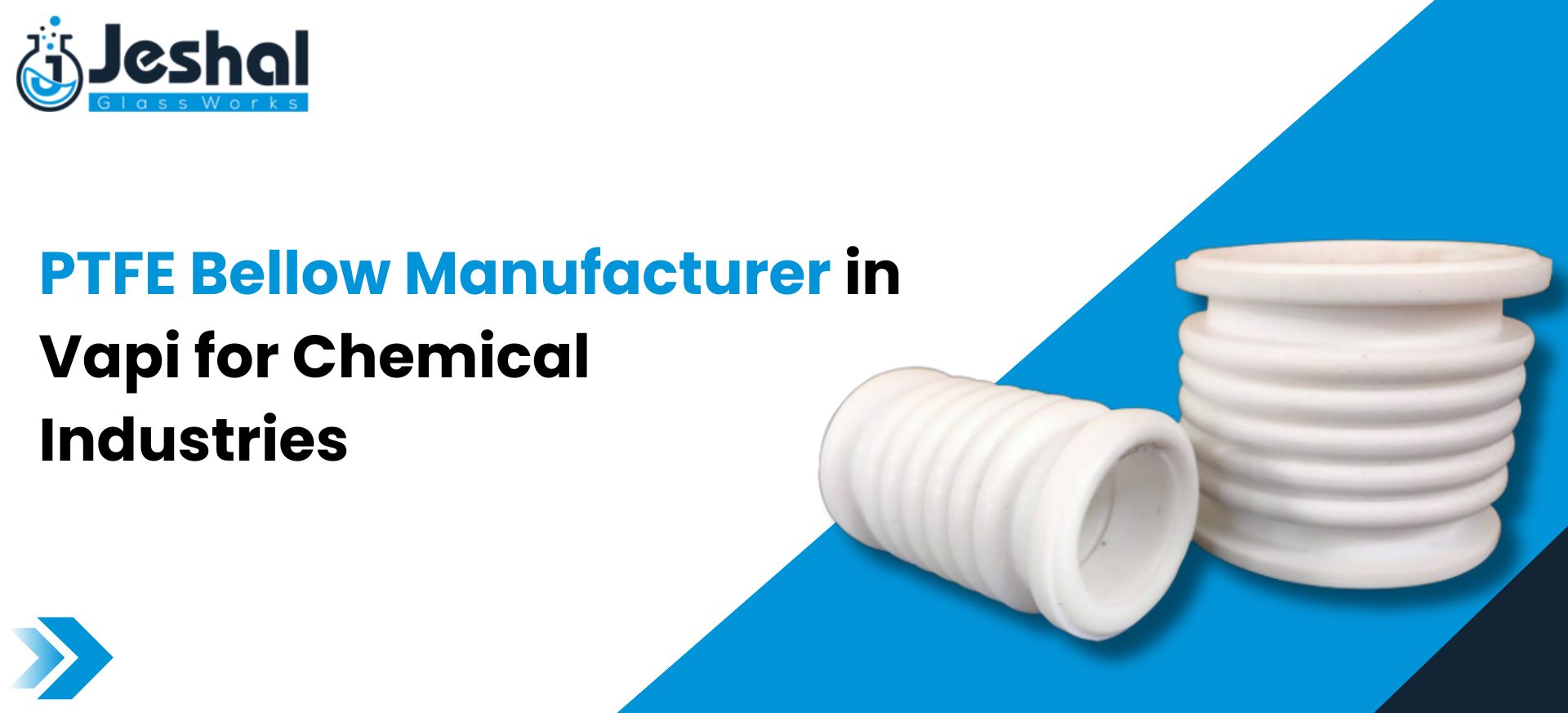
Its product range includes Laboratory Glassware, Round Bottom Flasks, Glass Pilot Plant Assembly, Industrial Glass Process Systems, Distillation Assemblies, Glass Reactor Systems, Condensers, Shell & Tube Condensers, Glass Accessories Parts, and PTFE / Teflon Products.
For customized requirements, the process can begin with understanding the application, required dimensions, connections, and equipment configuration. This approach helps buyers discuss the actual requirement rather than selecting a product based only on a generic catalogue specification.
Selecting a borosilicate glassware manufacturer in Gujarat is an important decision for pharma, API, chemical, and laboratory applications. Material suitability, fabrication accuracy, customization capability, quality inspection, technical support, and delivery should all be considered before placing an order.
For standard glassware as well as customized components, a manufacturer with relevant fabrication capabilities can help align the glassware with the intended application and equipment configuration.
Looking for a borosilicate glassware manufacturer in Gujarat? Contact Jeshal Glass Works to discuss your application, customization requirements, and request a tailored quotation.
Borosilicate glassware is commonly used in laboratory and industrial applications involving processes such as heating, reaction, distillation, condensation, and chemical handling, subject to application-specific compatibility.
It is commonly considered because of its useful chemical and thermal characteristics and process visibility. The exact suitability depends on the process conditions and application.
Yes. Custom glassware can be fabricated according to specific dimensions, connections, capacities, configurations, and equipment requirements.
Common requirements include round bottom flasks, distillation assemblies, condensers, glass reactor systems, laboratory assemblies, glass accessories, and customized process components.
Check the manufacturer's material expertise, fabrication capabilities, dimensional accuracy, customization options, quality inspection process, application knowledge, delivery capabilities, and technical support.
Cost can depend on material, size, design complexity, dimensions, connections, customization, quantity, and fabrication requirements.