In industries like chemicals and pharmaceuticals, maintaining product purity and handling corrosive media safely are critical challenges. Traditional metal heat exchangers often struggle with corrosion, contamination, and frequent maintenance, leading to higher operational costs.
This is where glass shell and tube heat exchangers offer a reliable and long-term solution. Designed with borosilicate glass tubes and a robust metal shell, these systems ensure efficient heat transfer while resisting aggressive chemicals. For businesses aiming for durability, safety, and process efficiency, choosing the right heat exchanger is not just a technical decision—it’s a strategic investment.
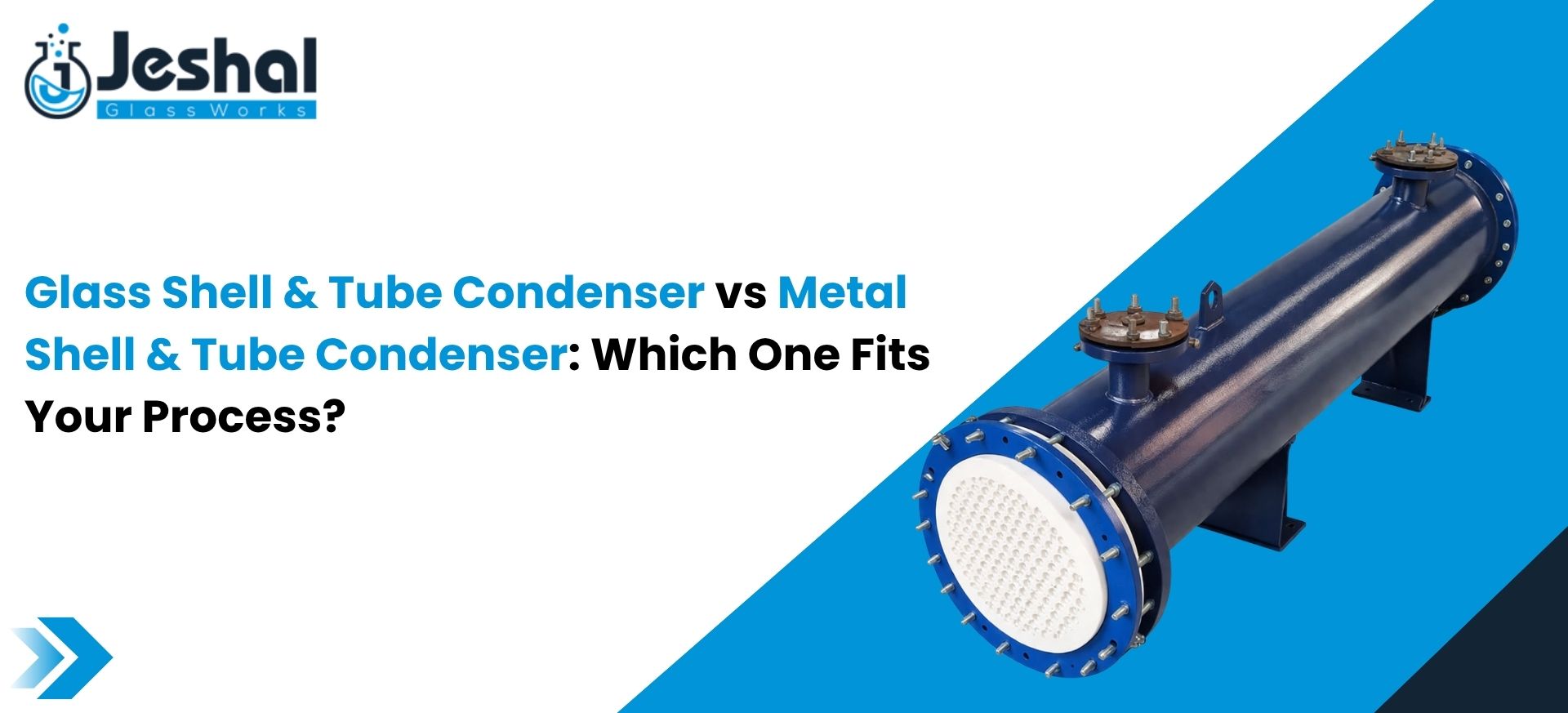
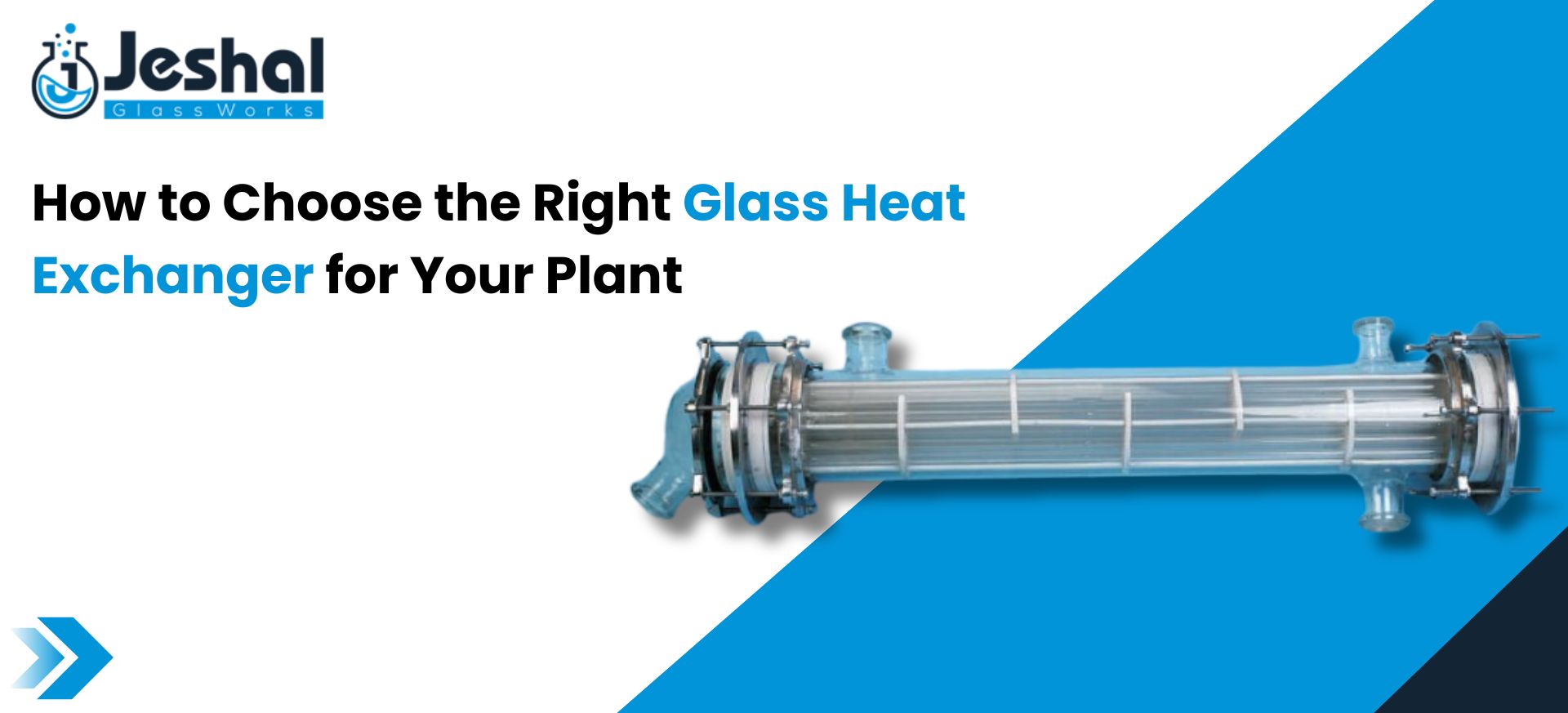
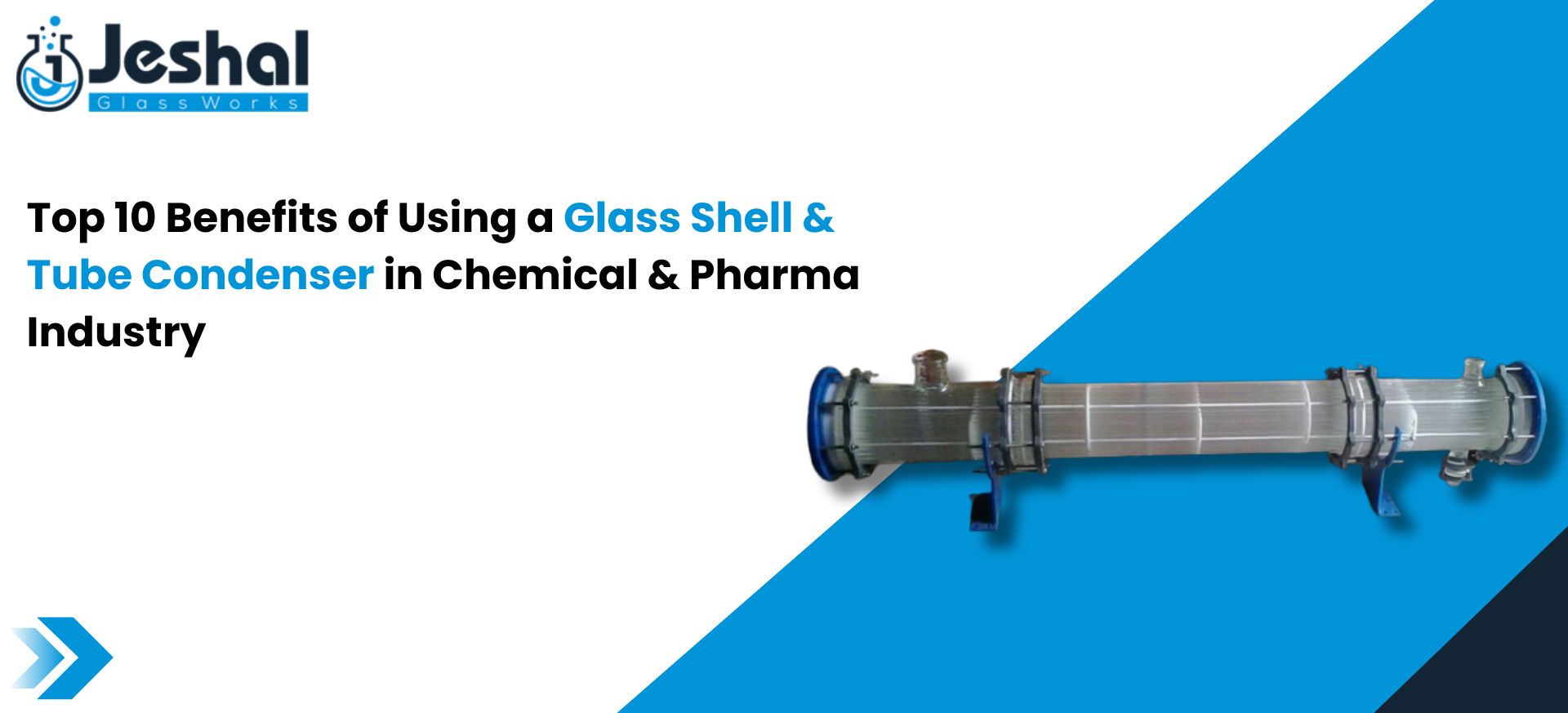
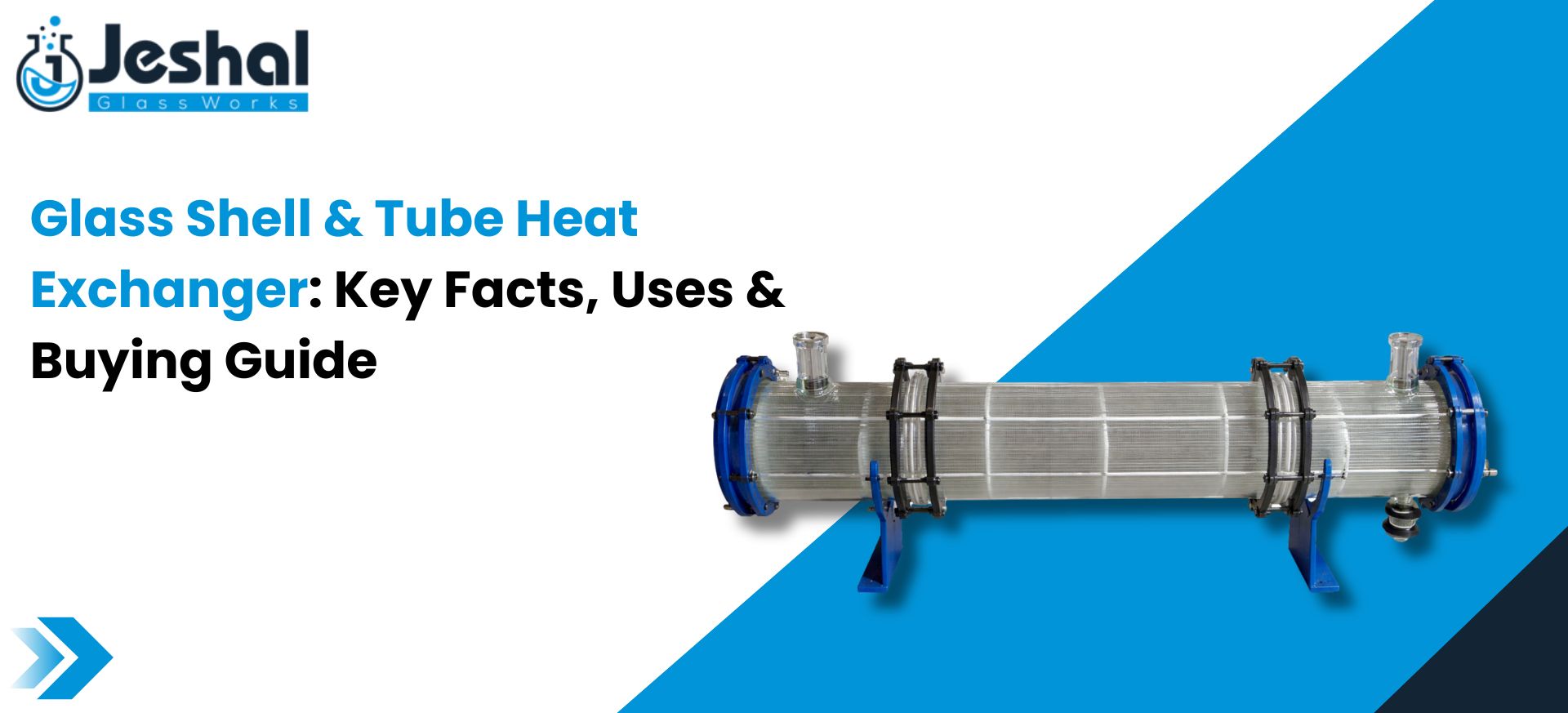
A glass shell and tube heat exchanger is a type of heat transfer equipment where one fluid flows through glass tubes and another flows through the outer shell. Heat is exchanged indirectly between the two fluids without mixing.
The key component is borosilicate glass, known for its excellent resistance to corrosion, high temperatures, and chemical reactions. The outer shell is typically made of mild steel (MS) or stainless steel (SS), providing structural strength.
This combination makes it ideal for processes where purity, visibility, and resistance to aggressive chemicals are essential.
Modern industries are increasingly shifting towards glass-based equipment—and for good reason.
For industries dealing with sensitive or corrosive materials, glass heat exchangers are not just an option—they are a necessity.
The versatility of glass shell and tube heat exchangers makes them widely used across multiple industries:
If your process involves aggressive chemicals or requires high purity standards, this equipment becomes a critical part of your plant setup.
Choosing between glass and metal heat exchangers depends on your process requirements, but the differences are significant:
For corrosive and high-purity applications, glass heat exchangers clearly outperform traditional metal systems.
Selecting the right heat exchanger is crucial for performance and safety. Here are key factors every buyer should consider:
A well-informed purchase decision can significantly improve efficiency and reduce downtime.
When it comes to industrial glass equipment, choosing the right manufacturer is just as important as selecting the right product.
Jeshal Glass Work stands out as a trusted name in the industry, offering high-quality and precision-engineered solutions tailored to chemical and pharmaceutical applications.
With a deep understanding of industry needs, Jeshal Glass Work delivers solutions that ensure efficiency, safety, and long-term value.
One of the biggest advantages of glass shell and tube heat exchangers is their low maintenance requirement.
By investing in high-quality glass heat exchangers, industries can achieve better performance while reducing operational expenses.
Glass shell and tube heat exchangers have become an essential component in modern chemical and pharmaceutical industries. Their ability to handle corrosive media, maintain product purity, and deliver long-term efficiency makes them a smart investment for any process plant.
If you are looking for a reliable and high-performance solution, partnering with the right manufacturer is key. Jeshal Glass Work offers durable, efficient, and customized glass shell and tube heat exchangers designed to meet your specific industrial needs.
Contact Jeshal Glass Work today to get expert guidance and the perfect solution for your plant.
It is used for efficient heat transfer in chemical and pharmaceutical processes, especially where corrosion resistance and product purity are critical.
Borosilicate glass offers excellent resistance to chemicals, high temperatures, and thermal shock, making it ideal for industrial applications.
Glass heat exchangers provide superior corrosion resistance, prevent contamination, and require less maintenance compared to metal units.
They are widely used in chemical plants, pharma industries, acid processing units, and solvent recovery systems.
Consider factors like glass quality, pressure rating, customization options, and the manufacturer’s expertise for the best results.